
By Town Center Dental . 17 January, 2025 .
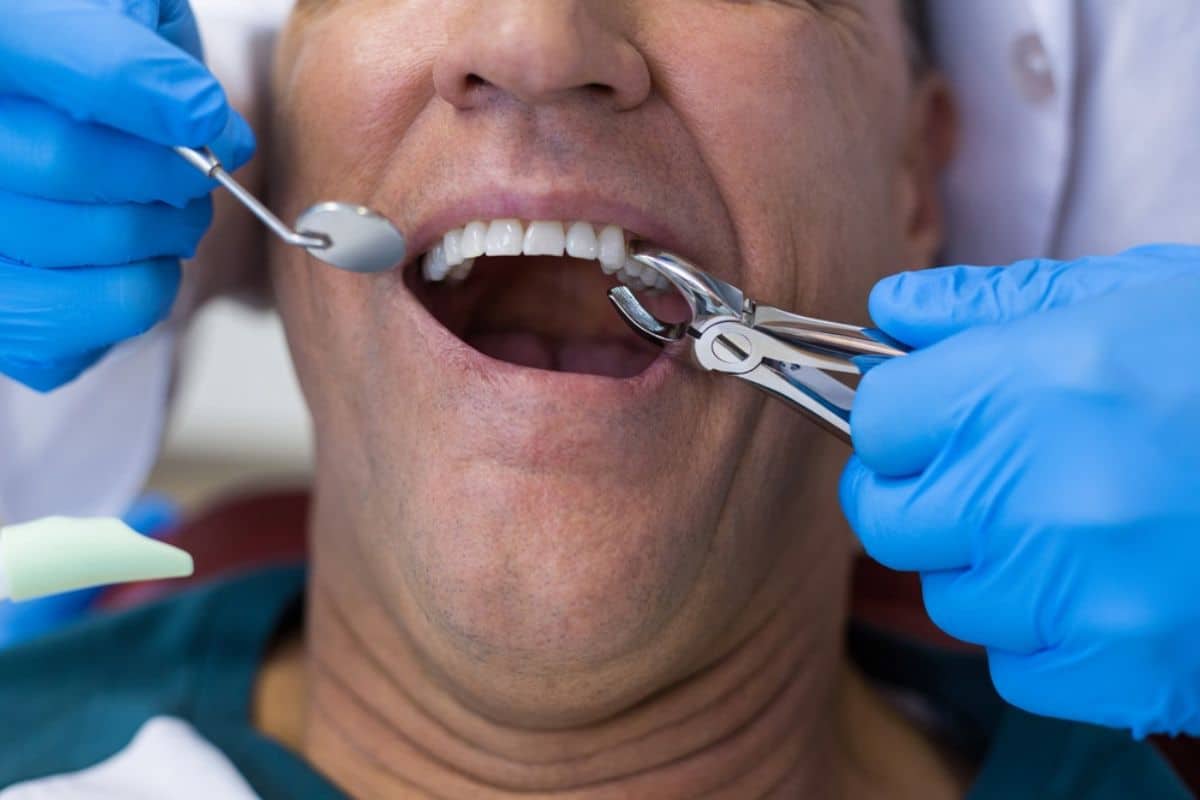
Ever woken up with a throbbing toothache that just won’t quit? Or maybe you’ve been the victim of a sports injury that left you with a chipped or knocked-out tooth?
These dental emergencies can strike at any time, causing significant pain and discomfort. That’s where the role of an emergency dentist becomes crucial.
When Routine Care Just Won’t Cut It
We all know the importance of regular dental check-ups. But even with the best oral hygiene routine, accidents happen. From unexpected infections and severe toothaches to sports injuries and even trauma, dental emergencies can strike at any time. This is where the expertise of an emergency dentist proves invaluable.
The Role of an Emergency Dentist
Unlike your regular dentist who focuses on preventative care and routine procedures, an emergency dentist specializes in addressing urgent dental issues. This can include:
- Severe Toothache: Whether it’s from an abscess, a cracked tooth, or a dying nerve, an emergency dentist can pinpoint the cause and provide immediate pain relief.
- Trauma and Injuries: Sports injuries, car accidents, and falls can all lead to chipped, cracked, or even knocked-out teeth. Emergency dentists are skilled in handling these situations, often saving teeth that might otherwise be lost.
- Abscesses: These painful infections can quickly spread, causing serious health complications. An emergency dentist can drain the abscess and prescribe antibiotics to prevent further infection.
- Knocked-Out Teeth: Time is of the essence when a tooth is knocked out. An emergency dentist can often re-implant the tooth, significantly increasing the chances of it surviving.
Why Quick Action Matters
In many dental emergencies, prompt treatment is crucial.
- Pain Relief: Severe toothaches can be debilitating. Emergency dentists can provide immediate pain relief through medications and procedures like root canals or extractions.
- Preventing Further Damage: Conditions like abscesses can rapidly worsen, potentially leading to serious infections that can spread to other parts of the body.
- Saving Teeth: In cases of trauma, quick action can significantly improve the chances of saving a knocked-out tooth.
- Spread of infection: Infections can spread from the affected tooth to surrounding tissues, potentially causing serious health complications.
- Loss of bone density: When a tooth is extracted, the surrounding bone begins to resorb. This can lead to facial sagging and difficulty with chewing.
Finding the Right Emergency Dentist
When a dental emergency strikes, it’s essential to find an experienced and reliable emergency dentist.
- Look for Availability: Many emergency dentists offer after-hours and weekend appointments to cater to urgent needs.
- Check Online Reviews: Read reviews from other patients to get an idea of the dentist’s experience, bedside manner, and overall patient satisfaction.
- Confirm Insurance Coverage: Before your appointment, confirm that your dental insurance covers emergency services.
- Don’t Hesitate to Call: If you’re experiencing a dental emergency, don’t hesitate to contact an emergency dentist in Flint immediately.
Extractions: When Removal is Necessary
While tooth extraction is often seen as a last resort, it’s sometimes the most appropriate course of action.
- Severe Infection: In cases of severe infection, such as an abscess that doesn’t respond to other treatments, extraction may be necessary to prevent the spread of infection.
- Extensive Damage: If a tooth is severely damaged or decayed, extraction may be the only way to alleviate pain and prevent further complications.
- Wisdom Teeth: Impacted wisdom teeth can cause crowding, pain, and even damage to adjacent teeth. Extraction is often recommended to prevent these issues.
The Importance of Post-Extraction Care
Following a tooth extraction, proper aftercare is essential for a smooth recovery.
- Gently Bite Down on Gauze: Apply gentle pressure to the extraction site with gauze for 30-45 minutes to control bleeding.
- Avoid Rinsing: Avoid vigorous rinsing or spitting for the first 24 hours.
- Eat Soft Foods: Stick to soft, bland foods like yogurt, soup, and mashed potatoes.
- Apply Ice Packs: Apply ice packs to the affected area to reduce swelling.
- Take Medications as Prescribed: Follow your dentist’s instructions for pain medication and antibiotics.
Conclusion
Dental emergencies can happen unexpectedly, but with access to qualified emergency dental care, you can effectively address the issue and minimize discomfort. Remember, prompt action is key in many dental emergencies. If you’re facing a dental crisis, don’t hesitate to contact an emergency dentist immediately.