By Town Center Dental . 14 March, 2025 .
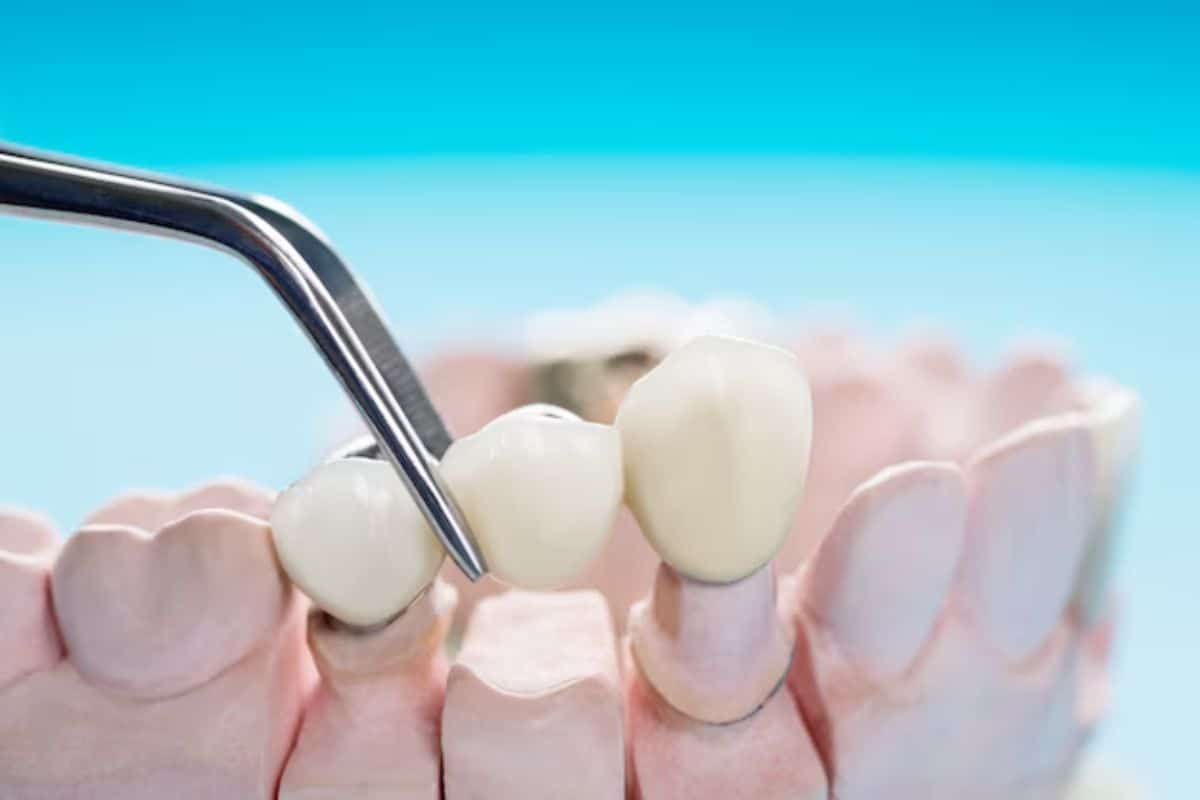
Ever found yourself wincing at the thought of biting into a crisp apple after getting a dental crown or bridge? You’re not alone! Many Americans, like the estimated 120 million adults missing at least one tooth, according to the American College of Prosthodontists, turn to these restorative solutions. But a common question lingers: “Will my favorite foods still be on the menu?” Let’s unpack the reality of eating with these dental marvels, shall we?
The Initial Adjustment Period: A Gentle Start
Imagine your mouth as a finely tuned instrument. Introducing a crown or bridge is like adding a new piece. It takes time to harmonize. Initially, you might experience sensitivity or a slight change in your bite. According to the American Dental Association (ADA), it’s common to feel some discomfort in the first few days post-procedure. This is perfectly normal.
During this adjustment period, soft foods are your best friends. Think mashed potatoes, yogurt, soups, and scrambled eggs. Avoid anything too hard, sticky, or chewy. This precaution helps prevent unnecessary stress on your new restoration and allows your gums to heal. A study published in the Journal of Prosthodontics highlighted that patients who adhered to a soft diet post-placement experienced fewer complications and faster recovery times.
Returning to Normal: Gradual Reintroduction
As the tenderness subsides, you can gradually reintroduce your favorite foods. This process should be guided by your comfort level. Most dentists recommend a gradual transition over a week or two. By this point, the majority of people can comfortably eat most of their normal diet.
However, even with a properly fitted dental crown or bridge, some foods require caution. According to a survey conducted by the National Institute of Dental and Craniofacial Research (NIDCR), approximately 20% of adults with dental restorations reported experiencing some form of discomfort when eating hard or sticky foods. This suggests that while normal eating is achievable, some modifications might be necessary long term.
Foods to Approach with Care
- Hard Foods: Think nuts, hard candies, and ice. These can potentially crack or damage your crown or bridge.
- Sticky Foods: Caramels, taffy, and even some chewy breads can adhere to your restoration, potentially pulling it loose.
- Very Hot or Cold Foods: Extreme temperatures can cause sensitivity, especially in the initial stages.
- Crunchy Foods: While not as damaging as hard foods, excessive crunching can put undue stress on the restoration.
It’s important to remember that modern dental materials are incredibly durable. Porcelain and zirconia, commonly used for crowns and dental bridges, are designed to withstand significant chewing forces. However, they are not invincible.
Maintaining Your Restoration for Optimal Eating
Proper oral hygiene is paramount. Brushing twice daily and flossing once daily, as recommended by the ADA, helps prevent plaque buildup around the crown or bridge, which can lead to gum disease and compromise the restoration’s integrity. Regular dental checkups are also crucial. Your qualified dentist in Flint can assess the fit and condition of your crown or bridge, ensuring it’s functioning optimally.
Enjoying Your Meals Again
The good news is that with proper care and a little patience, you can eat normally with a dental crown or bridge. While some initial adjustments and long-term precautions might be necessary, these restorations are designed to restore function and improve your quality of life.
So, go ahead and enjoy your favorite meals! Just remember to listen to your body, follow your dentist’s advice, and maintain good oral hygiene. With a little care, your smile and your appetite can coexist happily ever after.