By Town Center Dental . 2 May, 2025 .
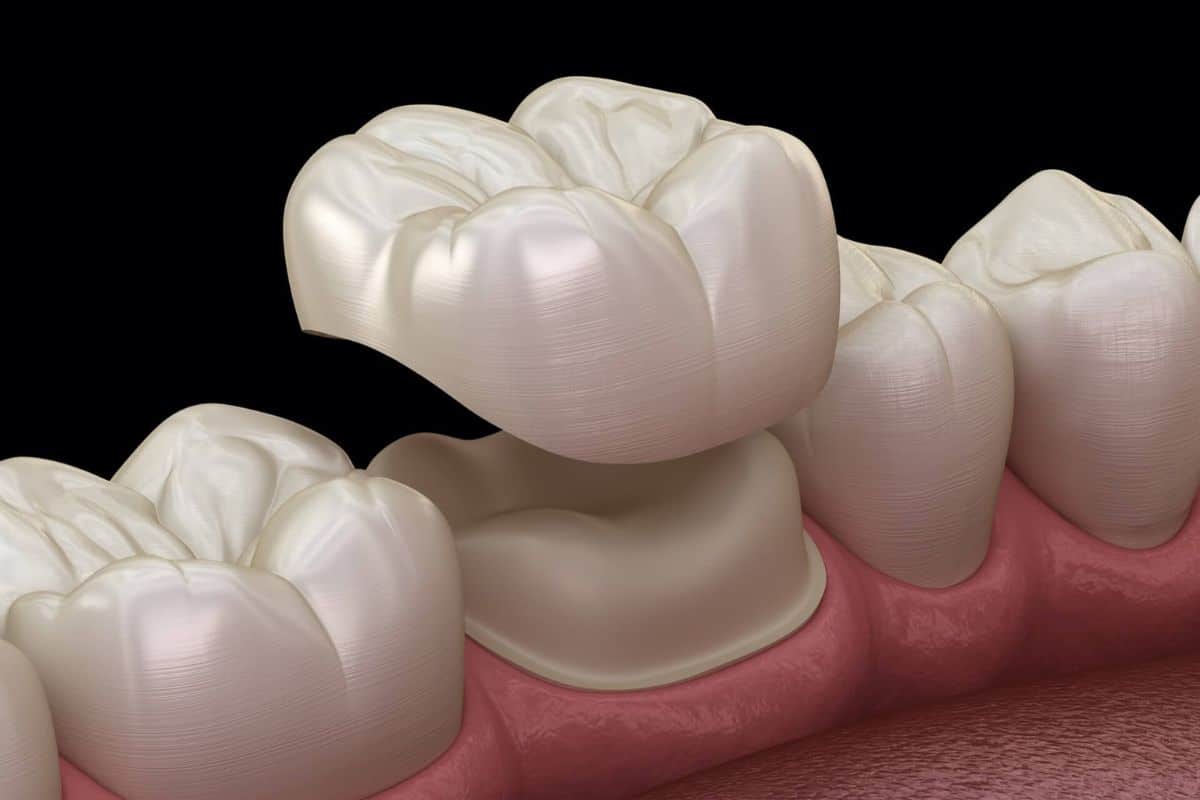
Hey there, smile enthusiasts! Ever wondered how long that fantastic dental crown of yours will last? You’re not alone! Millions of Americans get dental crowns each year to restore their smiles, and a common question pops up: “How can I make sure this investment lasts?” Well, you’ve landed on the right page! Let’s dive into the nitty-gritty of crown care, backed by some interesting facts and figures, so you can keep flashing that confident grin for years to come.
Did you know that the average lifespan of a dental crown is between 5 to 15 years? That’s a pretty wide range, right? According to the American Academy of Prosthodontics, the longevity of a crown depends heavily on factors like the material used, the location in your mouth, and most importantly, you, the wearer! Your daily habits play a monumental role in extending the life of your crown. So, let’s explore some key strategies to help you be the ultimate crown caretaker.
The Daily Grind (Literally!)
One of the biggest threats to your crown’s longevity is excessive force. According to the American Dental Association (ADA), bruxism, or teeth grinding, affects a significant portion of the adult population. While estimates vary, some studies suggest it could be as high as 30%! This constant clenching and grinding can put immense pressure on your crown, leading to chips, cracks, or even complete failure over time.
What you can do
Be aware: Pay attention to whether you clench or grind your teeth, especially during stressful situations or while sleeping.
- Nightguard to the rescue: If you suspect or know you grind your teeth at night, talk to your dentist about a custom-fitted nightguard. This appliance acts as a cushion, protecting your crown and natural teeth from the damaging forces of grinding. Studies have shown that consistent use of a nightguard can significantly reduce the risk of crown damage in bruxers.
- Manage stress: Find healthy ways to manage stress and anxiety, which can often exacerbate teeth grinding. Exercise, meditation, or even a relaxing bedtime routine can make a difference.
The Sticky Situation: What You Eat Matters
While dental crowns are strong, they aren’t indestructible. Extremely hard or sticky foods can pose a risk. Think about biting into a hard candy or a particularly chewy caramel – these can exert significant force on your crown and potentially cause it to chip or become dislodged.
Smart snacking strategies
- Be mindful: Be cautious when eating hard foods like nuts, ice, or popcorn kernels. Try to chew on the opposite side of your mouth from your crown whenever possible.
- Sticky situations: Limit your intake of very sticky candies or gums that can adhere to the crown and potentially pull it loose.
- Cut it up: Consider cutting harder fruits and vegetables into smaller, more manageable pieces to reduce the stress on your crown.
The Oral Hygiene Heroes: Brushing and Flossing
Just like your natural teeth, your dental crown needs regular cleaning to prevent plaque and bacteria buildup. While the crown itself can’t decay, the tooth underneath and the gum line around it are still susceptible to cavities and gum disease. According to the Centers for Disease Control and Prevention (CDC), about 47.2% of adults aged 30 years or older have some form of periodontal disease. Poor oral hygiene can lead to gum recession around the crown, exposing the margin and potentially leading to failure.
Your daily defense
- Brush gently but thoroughly: Use a soft-bristled toothbrush and fluoride toothpaste to brush your teeth at least twice a day. Pay extra attention to the area where the crown meets the gum line.
- Floss like a boss: Daily flossing is crucial for removing plaque and food particles from between your teeth and along the gum line, areas your toothbrush can’t reach. Don’t forget to gently floss around the crown.
- Consider interdental brushes or water flossers: These can help clean hard-to-reach areas around your crown, especially if you have larger gaps between your teeth.
Regular Check-ups: Your Dental Dream Team
No matter how diligent you are with your home care, regular dental check-ups are essential. Your qualified dentist in Flint can assess the condition of your crown, check for any signs of wear or damage, and ensure the underlying tooth and gums are healthy. The American Dental Association recommends regular dental visits at intervals determined by your dentist, typically every six months. These check-ups allow for early detection of any potential issues, which can save you time, money, and discomfort in the long run.
By following these tips and maintaining a consistent oral hygiene routine, you’re significantly increasing the odds of your dental crown lasting for many happy years. Remember, your crown is an investment in your smile and your oral health. Take good care of it, and it will take good care of you!