
By Town Center Dental . 27 May, 2025 .
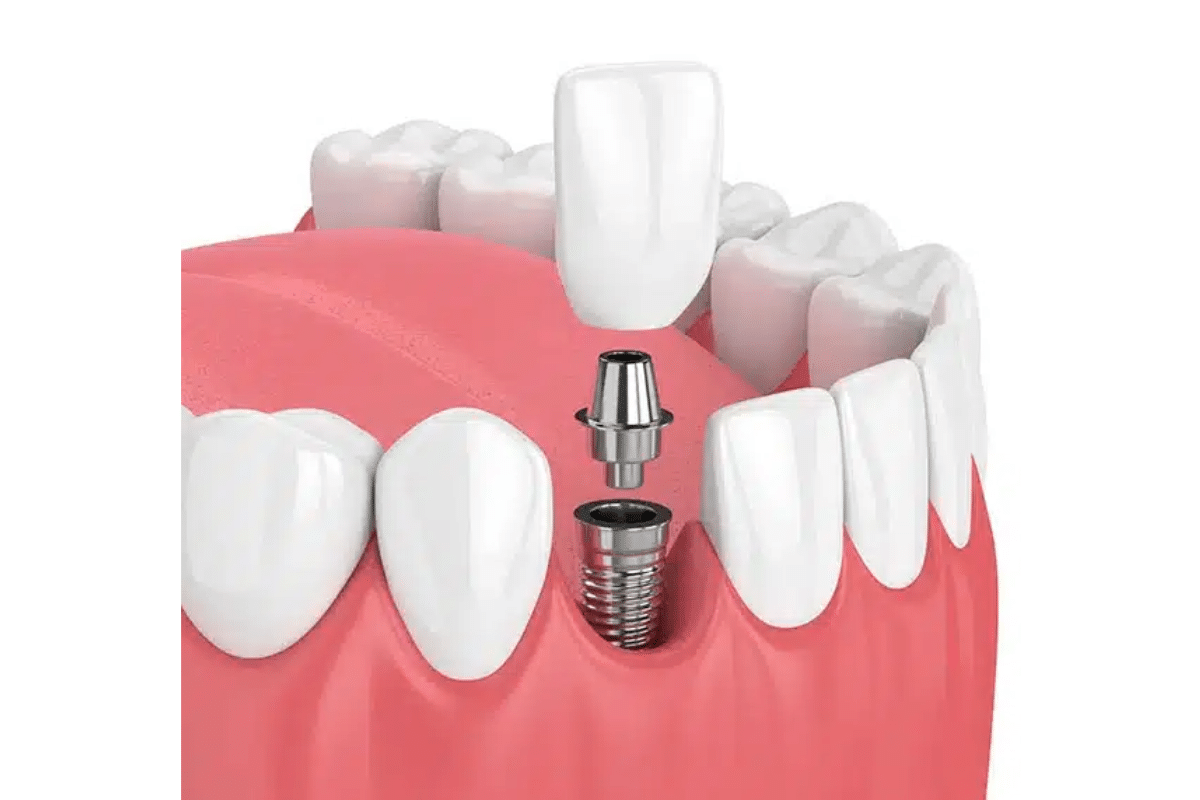
If you’ve been dealing with missing teeth, damaged teeth, or loose dentures, dental implants may be the solution you’ve been looking for. With a 90–95% success rate, they offer lasting support and a natural look. They’re not just popular—they’re reliable.
Over 3 million Americans have dental implants, and more people are choosing them every year. If you’re dealing with missing teeth or ongoing dental issues, looking into dental implants in Flint could be a smart step toward restoring your smile and improving your confidence.
Below are 9 important warning signs that could mean it’s time to consider dental implants.
Why Do Patients Need Dental Implants?
Missing Teeth
If you’ve lost one or more teeth, it can affect your smile and your bite. A dental implant can fill the gap naturally—no one will even notice it isn’t a real tooth.
Loose Dentures or Partials
Do your dentures feel unstable or shift when you speak or eat? Implants can secure them permanently, so they stay in place all day—no more glue, no more worries.
Infected Tooth That Needs Removal
Sometimes a tooth can’t be saved. Once it’s removed, a dental implant can be placed to restore function and appearance without needing special care. Just brush and floss as usual.
Loose Bridge
Loose dental bridges can be uncomfortable and annoying. Implants offer a more permanent fix and don’t rely on nearby teeth for support.
Sunken Facial Appearance
Dentures don’t stimulate the jawbone, which can lead to a sunken facial look. Implants keep the jawbone active, helping maintain a fuller, more youthful facial structure.
Tired of Denture Adhesives
Messy pastes and nightly soaking can get frustrating. Implants eliminate that hassle. They’re easy to care for—just like natural teeth. If you’re looking for a simpler routine, this could be your best move.
Severely Cracked or Broken Tooth
When a tooth is badly damaged, a crown might not be enough. If it’s broken below the gumline or risks infection, replacing it with a dental implant may be the healthiest choice.
Feeling Insecure About Your Smile
Dentures, bridges, or missing teeth can affect your confidence. Dental implants help you smile naturally again—no more covering your mouth or avoiding photos.
Difficulty Chewing Food
Missing or unstable teeth can make eating tough. Implants restore your bite strength, allowing you to enjoy all your favorite foods without discomfort.
How Dental Implants Work
Initial Consultation: Your dentist evaluates your oral health to determine if you’re a suitable candidate for dental implants.
Implant Placement: A titanium post is surgically inserted into your jawbone, acting as an artificial tooth root.
Healing Period: Over several months, the implant fuses with your jawbone, providing a stable foundation for the replacement tooth.
Abutment Attachment: Once healed, an abutment is placed on the implant to hold the new tooth securely.
Crown Placement: A custom-made crown, designed to match your natural teeth, is attached to the abutment, completing the restoration.
Ongoing Care: Maintain good oral hygiene and regular dental checkups to ensure the longevity of your dental implant.
If any of these signs sound familiar, don’t wait. Contact a professional dentist to find out if dental implants are right for you. Schedule an initial consultation now!