By Town Center Dental . 5 December, 2025 .
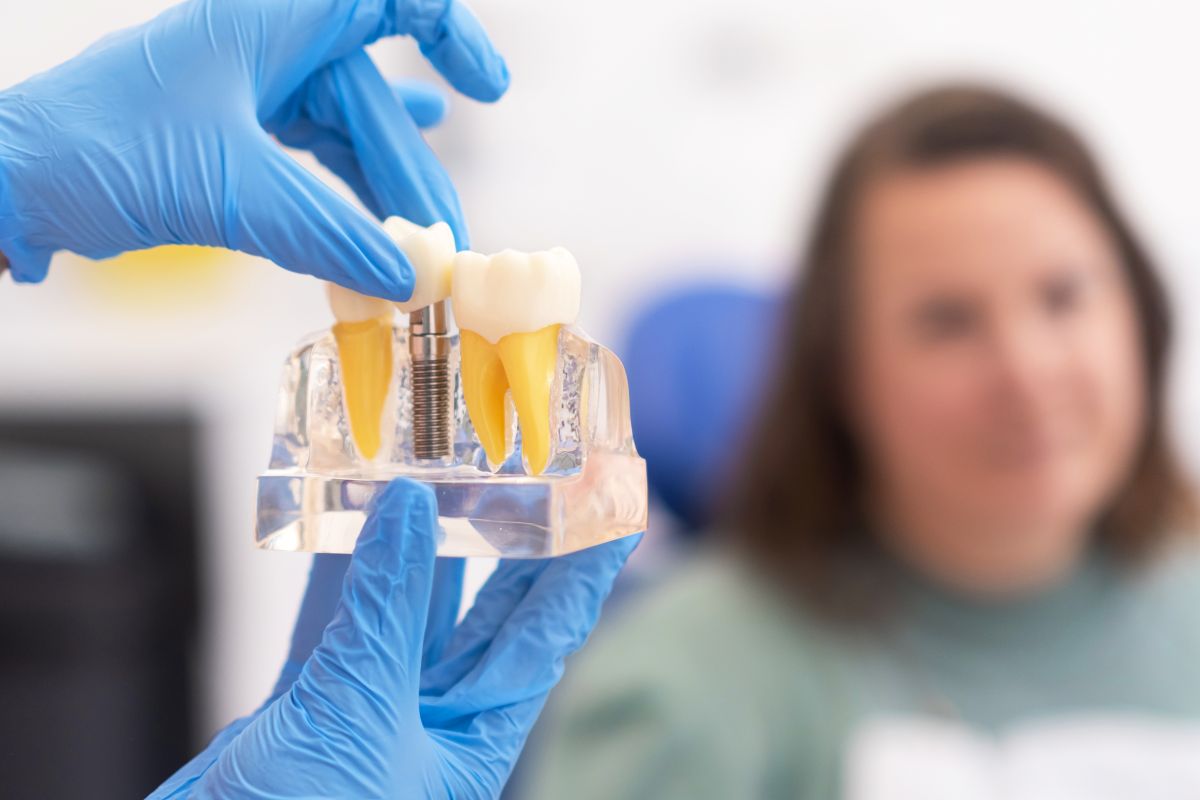
Dental implants are one of the most durable and dependable tooth-replacement solutions available today. With proper care, they can last decades—sometimes even a lifetime. However, the long-term success of your implants depends heavily on how well you maintain them after treatment. Understanding the proper habits, hygiene practices, and professional guidelines can significantly boost their lifespan.
Whether you’re considering dental implants or you’ve already completed your procedure, the following aftercare tips and local insights will help you protect your investment and enjoy a healthy, long-lasting smile.
Understanding What Affects Dental Implant Longevity
Dental implants are designed to function like natural teeth, and their durability depends on two major factors: the health of the surrounding bone and gums, and the patient’s oral hygiene. Unlike natural teeth, implants do not decay. However, they can fail if the tissues around them become infected or compromised.
Factors that commonly affect implant lifespan include:
- Poor oral hygiene
- Smoking or tobacco use
- Medical conditions like diabetes or osteoporosis
- Inconsistent dental checkups
- Improper bite alignment or teeth grinding
The good news is that most of these issues can be prevented with consistent care and a commitment to healthy habits. If you’ve recently undergone dental implant treatment, paying attention to these factors from the start can help ensure long-term stability and success.
Daily Hygiene Tips to Keep Your Dental Implants Healthy
Just like natural teeth, implants require regular cleaning to prevent plaque buildup and gum disease. While implants themselves do not decay, the tissues surrounding them can develop peri-implantitis—a condition similar to gum disease that can lead to implant failure if untreated.
Here are essential hygiene practices to adopt:
1. Brush Twice Daily With a Soft-Bristle Toothbrush
Use gentle strokes to clean around the implant crown and gumline. Non-abrasive toothpaste is recommended to prevent implant surface scratching.
2. Floss Every Day
Flossing around your implants helps remove food particles and bacteria that brushing alone cannot reach. Implant-safe floss or water flossers are excellent options to ensure thorough cleaning.
3. Use an Antimicrobial Mouth Rinse
Rinsing once or twice daily can help control harmful bacteria and reduce the risk of gum inflammation.
4. Avoid Aggressive Brushing
Brushing too hard can irritate your gums and compromise the seal around the implant, so keep your technique gentle but effective.
Maintaining these habits is crucial for anyone who has received dental implant treatment, as they help preserve both the implant structure and the health of the surrounding tissues.
Lifestyle Tips to Increase Implant Longevity
Good oral hygiene is just one part of long-term implant success. Your lifestyle choices also play an important role in protecting your investment.
1. Quit Smoking or Tobacco Use
Smoking reduces blood flow to the gums, slows healing, and increases the risk of implant failure. If possible, avoid tobacco altogether—especially during the first few months after surgery.
2. Limit Hard or Sticky Foods
Chewing on ice, hard candy, or very sticky foods can place unnecessary pressure on your implants and the restoration. Choose softer, tooth-friendly options to avoid damage.
3. Manage Teeth Grinding (Bruxism)
Excessive grinding can wear down or loosen the implant crown. If you grind your teeth, your dentist may recommend a nightguard to protect your teeth.
4. Maintain a Balanced Diet
Healthy gums and strong bone tissue are supported by vitamins and minerals such as calcium, vitamin D, and phosphorus. Keep your diet rich in these nutrients to promote long-term implant success.
Importance of Regular Dental Checkups
Professional checkups and cleanings are essential components of implant maintenance. Your dentist will examine:
- Gum health and inflammation
- Stability of the implant
- Condition of the crown or restoration
- Bite alignment and pressure
- Signs of infection or complications
Most patients with implants should schedule a checkup every six months, unless their dentist recommends more frequent visits.
Routine dental care not only protects your implants but also ensures the longevity of your entire oral health. Early detection of issues means easier, more effective treatment.
Local Guidance for Maintaining Dental Implants
Along with personal care, local expertise plays a significant role in implant success. Choosing a knowledgeable dental team ensures you receive guidance tailored to your community’s needs—such as local dietary habits, accessibility to dental specialists, and common oral health concerns within your area.
A local qualified dentist can provide individualized follow-up plans, customized hygiene recommendations, and ongoing assessments to ensure your implants remain stable for years. Investing in trusted local dental expertise makes it easier to maintain long-term oral health and peace of mind.
Safeguard Your Smile With Proper Implant Care
Protecting your dental implants for the long term starts with good oral hygiene, healthy habits, and regular professional checkups. With the proper aftercare routine and support from trusted local dental experts, your implants can stay strong, functional, and beautiful for decades.
For personalized guidance and expert dental implants care, schedule a visit with Town Center Family Dental in Flint, MI, and keep your implants healthy and long-lasting.
FAQs About Dental Implant Aftercare Tips
How long do dental implants usually last?
Dental implants can last decades or even a lifetime with proper care and maintenance.
Can dental implants fail after several years?
Yes, implants can fail if gum disease, poor hygiene, or excessive force affects the surrounding tissues.
How do I properly clean around a dental implant?
Brush twice a day gently and floss around the implant daily to remove plaque and bacteria.
Is flossing necessary if I have dental implants?
Yes, flossing is essential to prevent gum inflammation and protect the tissues supporting your implant.
What foods should I avoid after getting implants?
Avoid hard, sticky, or excessively chewy foods that may strain or damage your implant.
How often should I schedule implant checkups?
Most patients should visit their dentist every six months for implant checkups and cleanings.
Do dental implants require special toothpaste or products?
Use non-abrasive toothpaste and soft-bristle brushes to avoid scratching the implant surface.