By Town Center Dental . 19 January, 2026 .
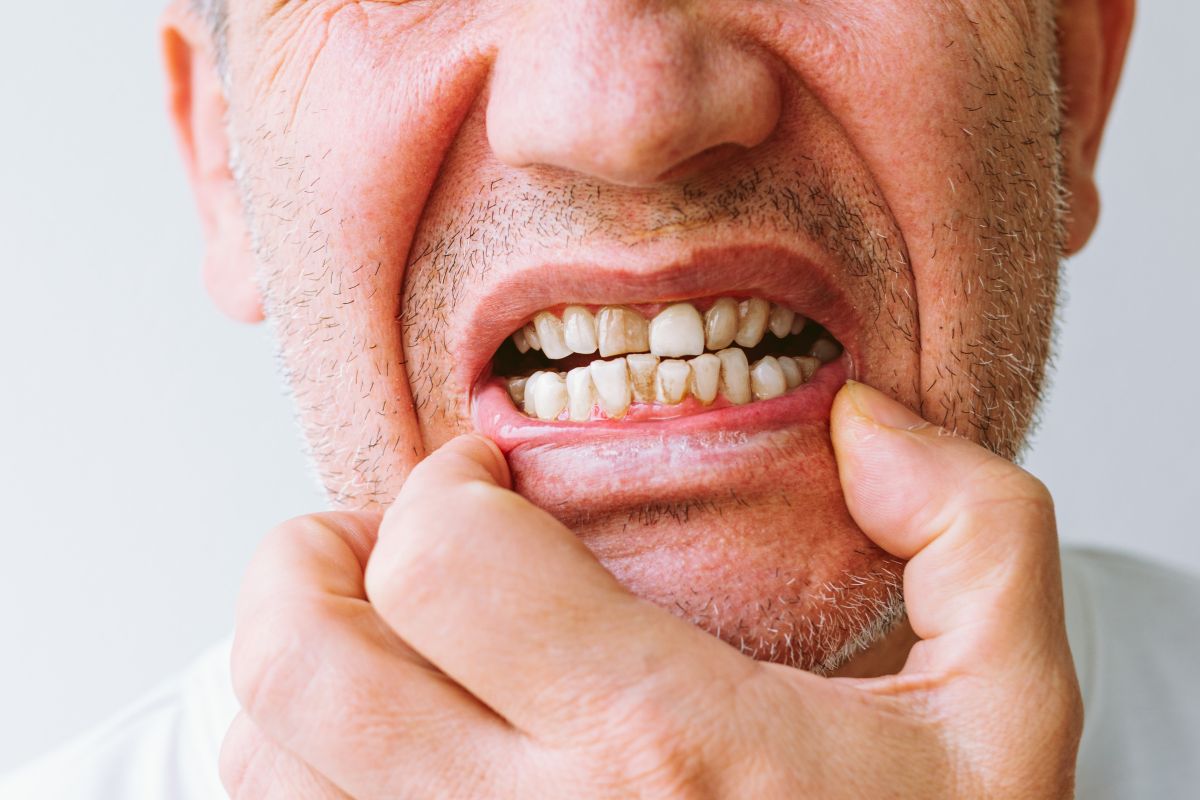
Your smile is one of the first things people notice, but it can reveal more than just your mood; it can also provide clues about your overall health. Changes in tooth color or signs of decay aren’t always just cosmetic concerns; they can indicate underlying dental or health issues, lifestyle habits, or nutritional deficiencies. Recognizing these signs early and understanding their causes can help you maintain not only a bright smile but also better overall health.
In this blog, we’ll explore the causes of tooth discoloration and tooth decay, their potential health implications, and practical ways to maintain a bright, healthy smile that truly reflects your well-being.
What Causes Tooth Discoloration?
Tooth discoloration can happen for many reasons, ranging from lifestyle habits to health conditions. Understanding the cause is the first step to effective prevention and treatment.
Extrinsic Stains
These stains form on the outer layer of the teeth, called enamel. Common causes include:
- Coffee, tea, and red wine
- Tobacco use
- Certain foods like berries or curry
- Poor oral hygiene
Intrinsic Stains
These occur within the tooth structure and are often harder to remove. Causes include:
- Aging, which naturally thins enamel and exposes dentin
- Trauma or injury to a tooth
- Medications like tetracycline taken during childhood
- Excessive fluoride exposure during tooth development
Health-Related Discoloration
Sometimes, tooth color changes can reflect more than diet or age:
- Yellowing may suggest enamel erosion or poor nutrition
- Brown or dark spots may indicate tooth decay or cavities
- Grayish teeth can be a sign of past trauma or internal issues
Understanding Tooth Decay
Tooth decay is more than a cosmetic problem—it can affect your overall health if left untreated. Decay occurs when bacteria in your mouth produce acids that erode tooth enamel, forming cavities. Common causes include:
- High Sugar Diets: Sugary foods and drinks feed harmful bacteria that produce acids.
- Poor Oral Hygiene: Skipping brushing or flossing can lead to plaque buildup and enamel damage.
- Dry Mouth: Reduced saliva flow limits natural protection against bacteria.
- Existing Dental Work: Old fillings or crowns can trap bacteria, increasing the risk of decay.
Left untreated, tooth decay can lead to pain, infection, and even tooth loss. Catching it early is key.
The Link Between Oral Health and Overall Health
Tooth decay and discoloration are not just about aesthetics. Poor oral health has been linked to:
- Heart disease
- Diabetes complications
- Respiratory infections
- Pregnancy complications
This highlights the importance of early detection and consistent dental care. Your smile reflects your overall well-being more than you may realize.
Preventing and Managing Tooth Discoloration and Decay
Maintaining a healthy, white smile involves a combination of good habits and professional care:
Daily Oral Care
- Brush twice daily with fluoride toothpaste
- Floss daily to remove plaque between teeth
- Rinse with an antibacterial mouthwash
Lifestyle Adjustments
- Limit stain-causing foods and drinks
- Quit smoking or using tobacco products
- Use a straw for beverages like coffee or soda to reduce contact with teeth
Professional Care
Routine visits are essential. Regular dental cleanings and examinations can detect stains early, remove buildup, and prevent serious dental problems. Your dentist may also recommend teeth whitening treatments or sealants, depending on your needs.
When to See a Dentist
If you notice sudden or severe discoloration, it’s important to consult your dentist. Changes in color may indicate:
- Tooth decay or cavities
- Enamel erosion
- Infection or trauma
- Systemic health issues
Protect Your Oral Health Today
Early detection allows for more effective treatment and can help prevent additional complications. Tooth discoloration and decay are not just cosmetic issues; they can be signs that your mouth needs attention. At Town Center Family Dental, we help patients understand what their smiles are telling them and maintain optimal oral health. If you’ve noticed changes in your tooth color or signs of decay, don’t wait. Schedule your appointment today in Flint, MI, and take the first step toward a healthier, brighter smile.
FAQs About Tooth Discoloration and Tooth Decay
1. What is the most common cause of tooth discoloration?
The most frequent cause is extrinsic staining from foods, drinks, or tobacco. Poor oral hygiene can also contribute.
2. Can tooth discoloration indicate a serious health issue?
Yes. Certain changes in tooth color may signal dental decay, trauma, or systemic health concerns such as diabetes or vitamin deficiencies.
4. What causes tooth decay?
Tooth decay occurs when bacteria in the mouth produce acids that erode enamel. Poor oral hygiene, high-sugar diets, dry mouth, and old dental work increase the risk.
5. How can I prevent cavities and tooth decay?
Brush twice daily, floss regularly, reduce sugar intake, and visit your dentist for routine checkups. Fluoride toothpaste and mouthwash also help strengthen enamel.
5. How often should I get my teeth professionally cleaned?
Most people benefit from cleaning every six months. Those with staining or oral health issues may need more frequent visits.
6. How does aging affect teeth?
Aging naturally thins enamel, exposing the yellow dentin beneath. This can make teeth appear darker or more yellow over time.
7. Is dry mouth a risk factor for tooth decay?
Yes, saliva helps neutralize acids and wash away bacteria. Reduced saliva flow from medications or health conditions increases the risk of decay.