By Town Center Dental . 12 March, 2026 .
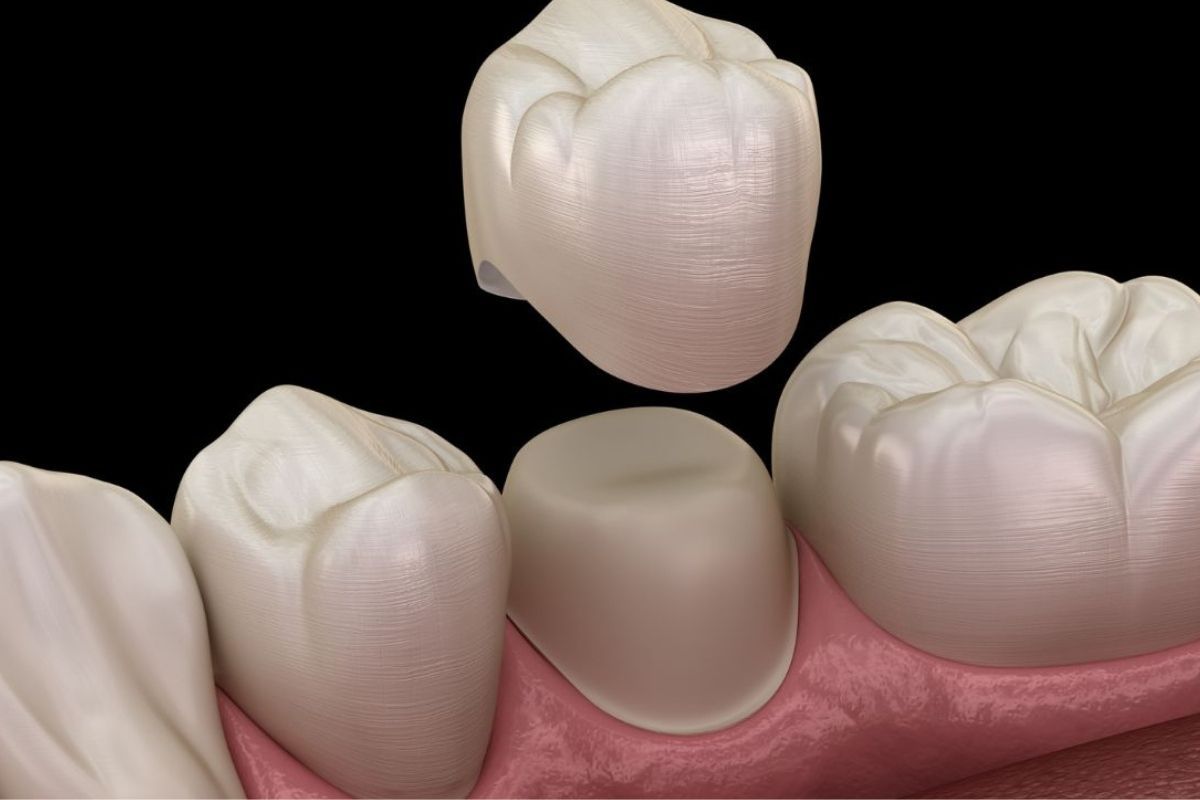
When a tooth becomes compromised, it does not always need to be removed. In many cases, modern restorative dentistry offers a way to protect and rebuild it. One of the most reliable solutions is a dental crown. A crown covers and reinforces the visible portion of the tooth, allowing it to function normally again. With the right care, this restoration can help a damaged tooth stay strong for many years.
In this blog, we’ll walk you through everything you need to know about dental crowns: what they are, how they work, their benefits, and when you might need one.
When Dental Crowns Are Recommended for Damaged Teeth
Dentists often recommend dental crowns when a tooth has lost too much structure to remain stable on its own. Instead of simply repairing a small area, a crown surrounds the entire visible part of the tooth and provides added support.
A crown may be suggested for several situations, including:
• Teeth weakened by large cavities
• Teeth with extensive fillings that no longer provide support
• Cracked or worn teeth
• Teeth that have received root canal treatment
• Teeth that need protection after structural damage
By covering the tooth and restoring its shape, a crown allows patients to bite and chew more comfortably while protecting the remaining natural structure.
How Dental Crowns Restore Tooth Strength
Dental crowns act as a strong protective covering for teeth that have become weak due to decay, injury, or everyday wear. By restoring the outer structure of the tooth, crowns help it function normally again. Here are a few ways they help rebuild strength:
1. Strengthening a Weakened Tooth Structure
When a tooth is cracked or has a large filling, much of its natural support may already be compromised. A crown covers the entire visible portion of the tooth, reinforcing it so it can handle normal biting and chewing pressure without worsening the damage.
2. Providing Protection from Future Damage
A crown forms a secure barrier around the tooth. This protective layer helps keep bacteria out and reduces the risk of further decay or structural problems developing inside the tooth.
3. Helping Preserve Natural Teeth
Even when a tooth is badly damaged, removal is not always the only option. A crown can often save the tooth by stabilizing it and restoring its ability to function properly within the bite.
Bringing Back Natural Chewing and Comfort
When a tooth is cracked, decayed, or severely worn, simple tasks such as chewing can become uncomfortable. Some patients begin avoiding certain foods because the affected tooth feels sensitive or unstable.
A crown restores the natural contour of the tooth and allows it to function normally again. This means patients can chew with greater confidence and comfort.
Restoring proper chewing function also helps protect surrounding teeth. When one tooth cannot handle pressure, other teeth may compensate, which can create additional stress across the bite. By restoring balance, a crown supports overall dental health.
How Long Dental Crowns Typically Last
Dental crowns are designed to be durable and long-lasting. With proper care, many crowns remain functional for well over a decade.
The lifespan of a crown often depends on daily habits and oral hygiene. Patients can help protect their restoration by maintaining consistent dental care.
Helpful habits include:
• Brushing teeth twice each day
• Flossing daily to keep gums healthy
• Avoiding biting on hard objects such as ice
• Visiting the dentist regularly for checkups
Routine dental visits allow dentists to monitor the crown and ensure it continues to function properly.
Protect and Restore Your Dental Health With Dental Care in Flint
A damaged tooth does not always mean losing it. Modern restorative dentistry offers reliable solutions that protect your natural teeth while restoring comfort and function. If you have a tooth that feels weak, cracked, or uncomfortable while chewing, a dental evaluation can help determine the best treatment option. At Town Center Family Dental, our expert dental team focuses on patient centered care and personalized treatment designed to keep your teeth strong and healthy.
Visit our dental office in Flint to learn how restorative treatments can strengthen your teeth and support long-term oral health.
FAQs About Dental Crowns for Damaged Teeth
1. What is a dental crown?
A dental crown is a custom restoration that covers the visible portion of a tooth. It strengthens the tooth and restores its natural shape, size, and function.
2. When does a dentist recommend a crown?
Dentists may recommend a crown when a tooth is severely decayed, cracked, weakened by a large filling, or has undergone a root canal treatment.
3. Does getting a crown hurt?
Most patients experience minimal discomfort. Dentists use local anesthesia during the procedure to ensure the area remains comfortable.
4. How long does it take to get a dental crown?
Traditional crowns usually require two appointments. The first visit prepares the tooth and takes impressions, while the second visit places the final crown.
5. Are crowns strong enough for normal chewing?
Yes. Crowns are designed to handle everyday chewing forces and restore normal bite function.
6. How should I care for a dental crown?
Caring for a crown is similar to caring for natural teeth. Brush and floss daily and maintain regular dental checkups.
7. Can a dental crown improve the appearance of my smile?
Yes. In addition to restoring strength and function, crowns can improve the shape and color of a damaged tooth so it blends naturally with the rest of the smile.