
By Town Center Dental . 19 March, 2026 .
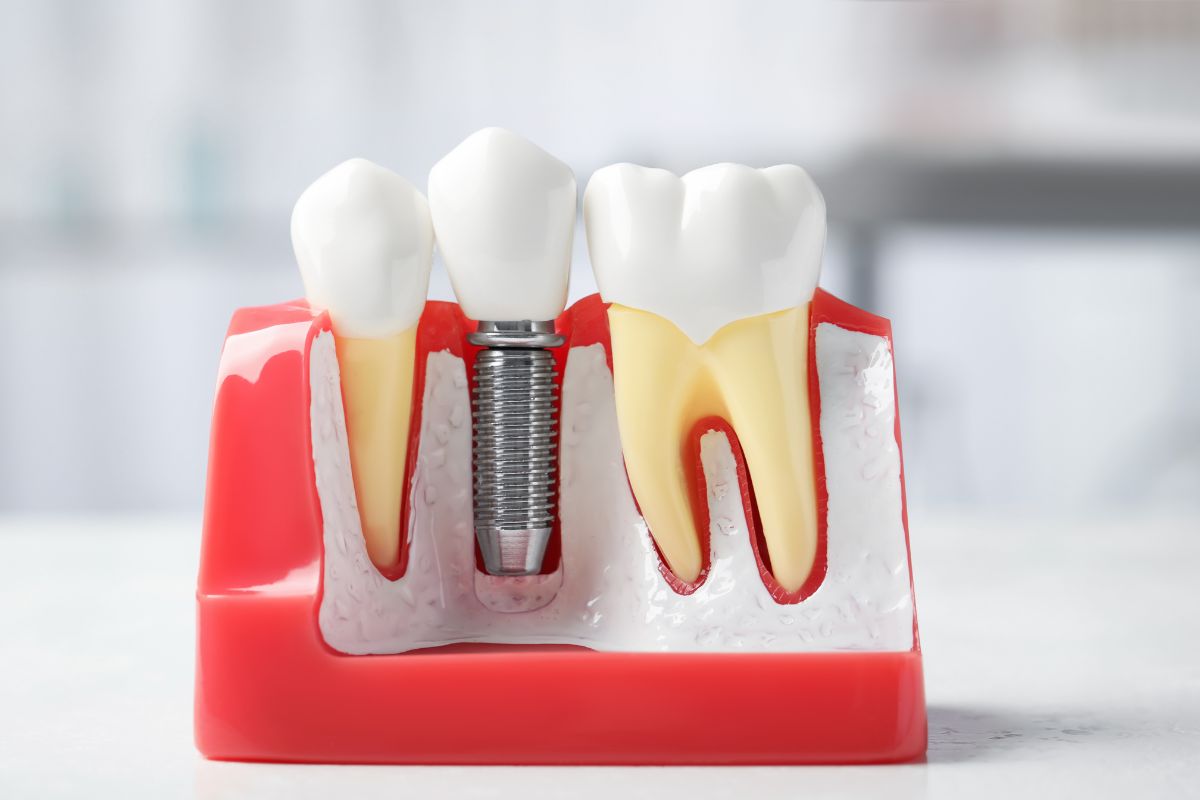
Dental implants are widely regarded as a dependable, long-term solution for replacing missing teeth. However, some patients may notice unusual sensations after treatment, one of the most common concerns being whether dental implants can cause a metallic taste in the mouth.
If you’ve experienced a persistent or unusual metallic flavor, it’s natural to feel concerned. The good news is that this sensation is typically temporary and, in most cases, not directly caused by the implant itself. In this article, we’ll explore the possible reasons behind a metallic taste and when it’s important to seek professional dental advice.
Understanding Metallic Taste: What Does It Mean?
A metallic taste medically referred to as dysgeusia can present as a coppery, bitter, or iron-like flavor that lingers even when you’re not eating. This sensation may be mild or more noticeable, and it can occur intermittently throughout the day.
Although it may seem concerning, a metallic taste is often associated with temporary changes in oral conditions, medication side effects, or the body’s natural healing response, rather than a serious underlying issue.
What Materials Are Used in Dental Implants?
Most dental implants are made from titanium or titanium alloys. Titanium is commonly used in medical and dental procedures because it is highly biocompatible, meaning it integrates naturally with the body and rarely triggers adverse reactions.
Importantly, titanium itself does not typically cause a metallic taste. In fact, the vast majority of patients with dental implants never experience this issue.
If a metallic taste does occur, it is usually due to indirect factors rather than the implant material itself.
Why You Might Notice a Metallic Taste After Dental Implants
Healing Process and Tissue Response
After dental implant placement, your gums and surrounding tissues begin a natural healing process. During this time, mild inflammation or slight bleeding can temporarily affect your sense of taste.
This is a normal part of recovery, and as healing progresses, the metallic sensation typically fades on its own.
Bacteria and Oral Hygiene Changes
During recovery, patients may adjust their brushing and flossing routines to avoid discomfort. This can sometimes lead to plaque buildup, allowing certain bacteria to produce compounds that affect taste.
Maintaining proper oral hygiene throughout the healing phase is essential to prevent unpleasant flavors and support overall oral health.
Medications and Nutritional Supplements
It’s common to be prescribed antibiotics or pain medications after implant surgery. Some of these medications, as well as supplements like iron or zinc, can alter your sense of taste and create a metallic sensation.
In many cases, the taste change is linked to these substances rather than the implant itself.
Dry Mouth and Reduced Saliva
Saliva plays a key role in maintaining a balanced oral environment. When saliva production decreases, unusual tastes become more noticeable.
Dry mouth may result from medications, dehydration, or stress factors that can coincide with dental treatment and recovery.
Less Common Causes Linked to Dental Work
Interaction Between Different Metals
In rare cases, the presence of different metals in the mouth, such as older fillings alongside a dental implant, can cause a mild electrical reaction. This may result in a temporary metallic taste.
Although uncommon, this condition is usually straightforward to identify and can be effectively managed with proper dental care.
Sensitivity or Rare Material Reactions
Titanium, the material most commonly used in implants, is highly biocompatible and rarely causes reactions. However, if symptoms such as persistent discomfort, swelling, or unusual taste continue, it’s important to seek evaluation to rule out rare sensitivities.
How Long Does the Metallic Taste Last?
For most patients, any metallic taste experienced after dental implant placement is temporary. It often resolves as the mouth heals, medications are completed, and oral hygiene routines return to normal.
If the sensation continues beyond the typical recovery period, it may indicate another underlying factor unrelated to the implant.
When Should You Consult Your Dentist?
While occasional taste changes are usually harmless, you should seek professional advice if you notice:
- A metallic taste that lasts several weeks without improvement
- Swelling, pain, or irritation around the implant area
- Changes in how the implant feels or functions
Early evaluation helps ensure everything is healing properly and provides peace of mind.
Tips to Reduce the Chances of a Metallic Taste
Although not always preventable, you can lower the likelihood of taste disturbances by:
- Keeping up with daily oral hygiene
- Drinking plenty of water
- Following all post-treatment instructions carefully
- Reporting any unusual symptoms early
Simple habits can significantly improve your comfort during recovery.
Comfortable, Trusted Implant Care at Town Center Family Dental
Dental implants are designed to restore your smile, function, and confidence. While a metallic taste may occasionally occur, it is usually temporary and manageable with proper care and guidance.
At Town Center Family Dental, we are committed to providing patient-focused care with clear communication at every step. Our team ensures you feel informed, supported, and confident throughout your treatment journey. If you have questions about dental implants or notice any unusual symptoms, schedule a visit at our Flint or Linden office and let us help you maintain a healthy, comfortable smile for the long term.
FAQs About Metallic Taste After Dental Implants
1. Can dental implants cause a metallic taste in the mouth?
Experiencing a metallic taste after dental implant placement is uncommon. When it does occur, it is typically temporary and often related to the healing process, medications, or mild inflammation rather than the implant itself.
2. How long does a metallic taste last after dental implants?
In most cases, any unusual taste resolves within a few days to a couple of weeks as the gums and surrounding tissues heal. If the sensation persists, a dental evaluation is recommended.
3. What causes a metallic taste with dental implants?
Possible causes include minor post-surgical bleeding, temporary inflammation, certain medications, or changes in oral hygiene habits. In rare instances, interactions with other metal restorations in the mouth may contribute.
4. Should I be concerned about a metallic taste?
A short-term metallic taste is generally not a cause for concern. However, if it continues or is accompanied by symptoms such as pain, swelling, or discomfort, it is important to seek professional advice.
5. How can I reduce the risk of a metallic taste after implants?
Following proper oral hygiene practices, adhering to post-treatment care instructions, staying well hydrated, and attending regular dental checkups can help minimize the risk of unusual tastes.
6. When should I contact my dentist?
You should reach out to your dentist if the metallic taste persists beyond a few weeks or if it is associated with gum irritation, implant mobility, or ongoing discomfort, to ensure proper healing and implant stability.