By Town Center Dental . 7 September, 2026 .
Losing a tooth can be unsettling. But after the initial concern fades, it’s easy to think, “It’s only one tooth. I’ll deal with it later.”That decision can have consequences.
A missing tooth can affect more than the appearance of your smile. Over time, changes can occur in your bite, surrounding teeth, gums, and the bone that once supported the missing tooth. For many patients, replacing a missing tooth with a dental implant may be an option worth discussing with a dentist.
If you have been putting off treatment, here’s what you should know.
Why Is a Missing Tooth a Bigger Deal Than It Seems?
Your teeth work together as a system. When one tooth disappears, the surrounding teeth can experience changes in how they contact and support one another.
The area where the tooth was lost can also change over time. The jawbone needs stimulation from tooth roots to maintain its structure. When a tooth is gone, the bone in that area may gradually shrink.
That doesn’t necessarily mean you will experience major problems immediately. In fact, you may feel perfectly fine for months or even years.
The concern is what can happen gradually.
5 Problems That May Develop After Tooth Loss
| Potential Concern | What It Can Mean |
|---|---|
| Jawbone changes | Bone in the area of tooth loss can gradually shrink |
| Shifting teeth | Neighboring teeth may move into the space |
| Changes in your bite | Your teeth may contact differently when chewing |
| Difficulty chewing | Losing teeth can make certain foods harder to eat comfortably |
| Smile changes | A missing tooth can affect the appearance of your smile |
Not everyone will experience every issue, and the extent of changes varies from person to person.
That’s why an evaluation is more useful than simply assuming a missing tooth will never cause a problem.
1. Your Jawbone May Change
One of the biggest concerns following tooth loss is what happens beneath the gumline.
When a natural tooth root is no longer present, the surrounding bone no longer receives the same stimulation. Over time, the bone may resorb, or decrease in volume.
This matters if you eventually decide to replace the tooth.
Some patients who have been missing a tooth for a long time may need additional treatment before an implant can be placed. Your dentist can evaluate the area and determine whether there is sufficient bone for the planned restoration.
2. Nearby Teeth Can Shift
Your teeth aren’t isolated structures. They help maintain the spacing and balance of your bite.
When a tooth is missing, neighboring teeth may gradually move toward the open space. This can change the way your upper and lower teeth come together.
That doesn’t mean every missing tooth will automatically cause noticeable shifting. However, leaving an empty space untreated for years can make the situation different from replacing the tooth soon after it is lost.
3. Eating May Become More Difficult
You may initially adapt to chewing around a missing tooth.
But if you have several missing teeth—or a missing tooth in an important chewing area—you may find yourself avoiding certain foods or favoring one side of your mouth.
Replacing missing teeth can help restore chewing function, depending on your individual situation and treatment plan.
4. Your Smile May Change
For a front tooth, the cosmetic impact is obvious.
But even a missing back tooth can affect your confidence, particularly when laughing, talking, or smiling widely.
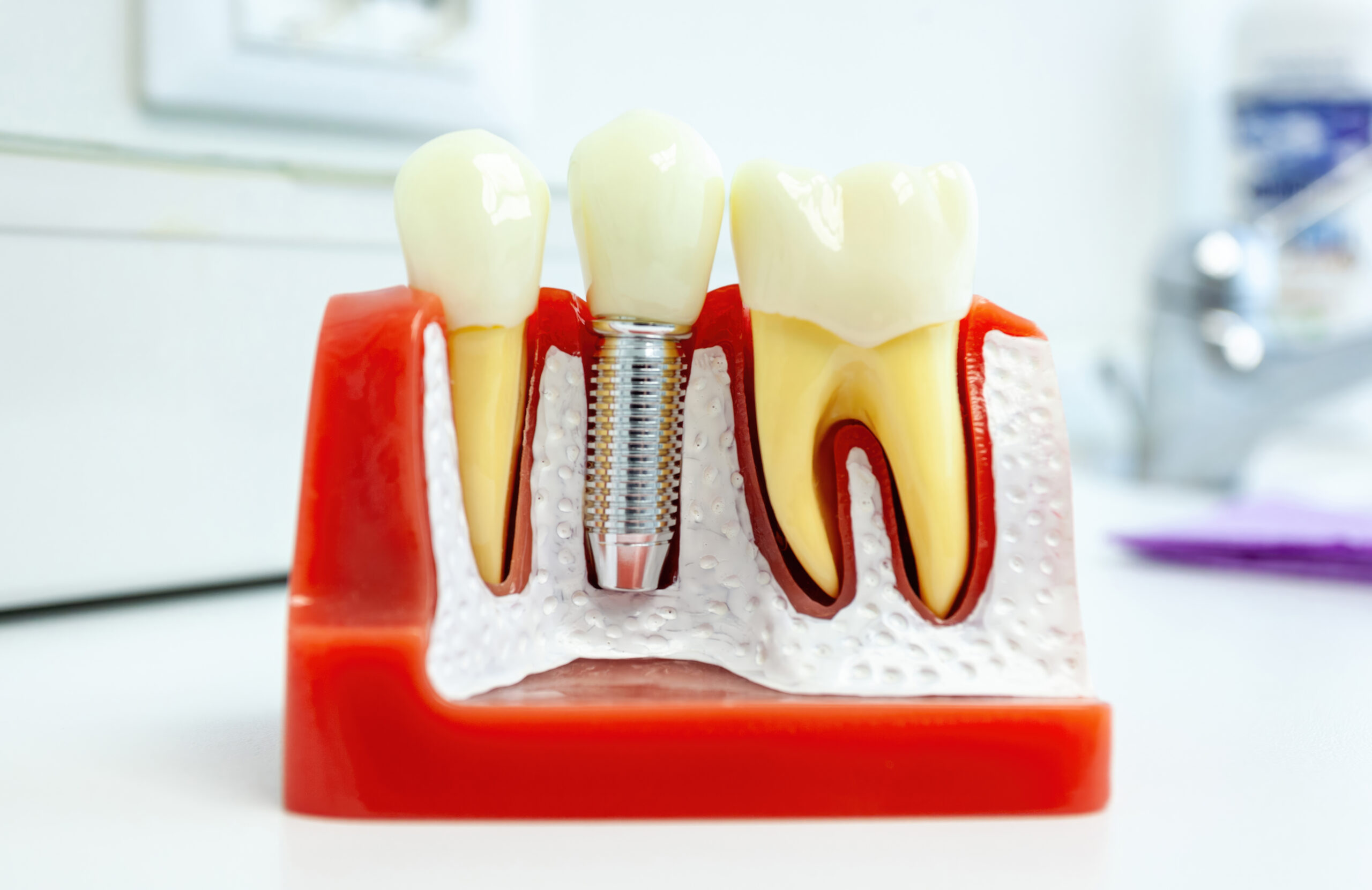
Modern tooth-replacement options are designed to restore both function and appearance. Dental implants can support an individual crown, creating a replacement that resembles the surrounding teeth.
5. Waiting May Affect Your Treatment Options
This is one of the biggest reasons not to ignore tooth loss.
The longer a tooth has been missing, the more your dentist may need to evaluate the surrounding bone, gums, bite, and neighboring teeth before recommending treatment.
That doesn’t mean you’re automatically too late.
Even if you’ve had a missing tooth for years, dental implants may still be possible. Your dentist may recommend imaging and, in some situations, additional procedures to prepare the area for implant treatment.
Are Dental Implants the Only Way to Replace a Missing Tooth?
No.
Depending on your oral health, the location of the missing tooth, your preferences, and your budget, your dentist may discuss several options.
| Tooth Replacement Option | General Consideration |
|---|---|
| Dental implant | Uses an implant post to support a replacement tooth |
| Dental bridge | Uses neighboring teeth to support a replacement tooth |
| Partial denture | Removable option for replacing one or multiple missing teeth |
| No replacement | May be appropriate in some situations, but should be discussed with a dentist |
There isn’t one solution that’s right for every patient.
A dental examination can help determine which approach makes sense for your specific needs.
What Makes Dental Implants Different?
Unlike a traditional bridge, an implant is designed to replace the role of a missing tooth root. The implant is placed into the jawbone and, after healing, can support a restoration such as a crown.
Because treatment involves both the bone and the restoration, proper planning is important.
Your dentist will consider factors such as the health of your gums, available bone, the location of the missing tooth, your bite, and your overall dental needs before determining whether dental implants are appropriate.
What If You Lost Your Tooth Years Ago?
Don’t assume that the opportunity for treatment has passed.
Many patients seek treatment long after losing a tooth. The important step is getting an evaluation.
Depending on what has happened to the bone and surrounding teeth, your dentist may recommend dental implants, a bridge, a removable restoration, or another approach.
The sooner you understand your options, the easier it is to make an informed decision.
Dental Implants in Flint, MI & Linden, MI
If you’re living with a missing tooth, Town Center Family Dental provides dental care for patients in Flint, MI and Linden, MI.
Our goal isn’t to tell every patient that they need the same treatment. Instead, we can examine your smile, discuss your concerns, and help you understand your tooth-replacement options.
If dental implants are being considered, a consultation can help determine whether they’re appropriate for your situation. Reach out to us or call us at +1 810-285-7236 [Flint] & +1 810-379-9225 [Linden] to schedule your appointment.
Frequently Asked Questions
1. Can a missing tooth cause bone loss?
Yes. When a tooth is lost, the bone that previously supported its root can gradually decrease in volume. The amount of change varies between individuals.
2. Is it too late to get dental implants after years of missing a tooth?
Not necessarily. Patients who have had missing teeth for years may still be candidates. Your dentist will need to evaluate the bone, gums, bite, and overall oral health before recommending treatment.
3. Are dental implants better than bridges?
Neither option is automatically right for everyone. Dental implants and bridges work differently and have different treatment considerations. Your dentist can compare the options based on your specific situation.
4. Can one missing tooth affect other teeth?
It can. Changes in the space left by a missing tooth may affect neighboring teeth and the way your bite comes together. The extent varies from patient to patient.
5. What should I do if I’ve been ignoring a missing tooth?
Schedule a dental evaluation rather than waiting for symptoms to appear. Even if the missing tooth doesn’t hurt, an examination can help you understand what’s happening and what replacement options may be available.
Don’t Let “I’ll Deal With It Later” Become a Bigger Dental Problem
A missing tooth may not hurt today, but that doesn’t mean the area will remain unchanged.
If you’ve been living with a missing tooth, talk with a dental professional about your options. An evaluation can help you understand whether dental implants or another tooth-replacement solution may be appropriate for you.
Town Center Family Dental welcomes patients at our Flint, MI and Linden, MI locations.
Flint: +1 810-285-7236
Linden: +1 810-379-9225