
By Town Center Dental . 13 April, 2026 .
Tooth damage can happen more easily than you might think. Whether it starts as a minor cavity or a small chip, deciding on the right treatment isn’t always straightforward. Many patients find themselves asking the same question: Should I get a filling or a crown?
The right choice depends on the extent of the damage, the strength your tooth needs, and how you want it to perform in the long run.
Understanding the difference between these two options can help you make a confident and informed decision.
When Is a Dental Crown the Better Option?
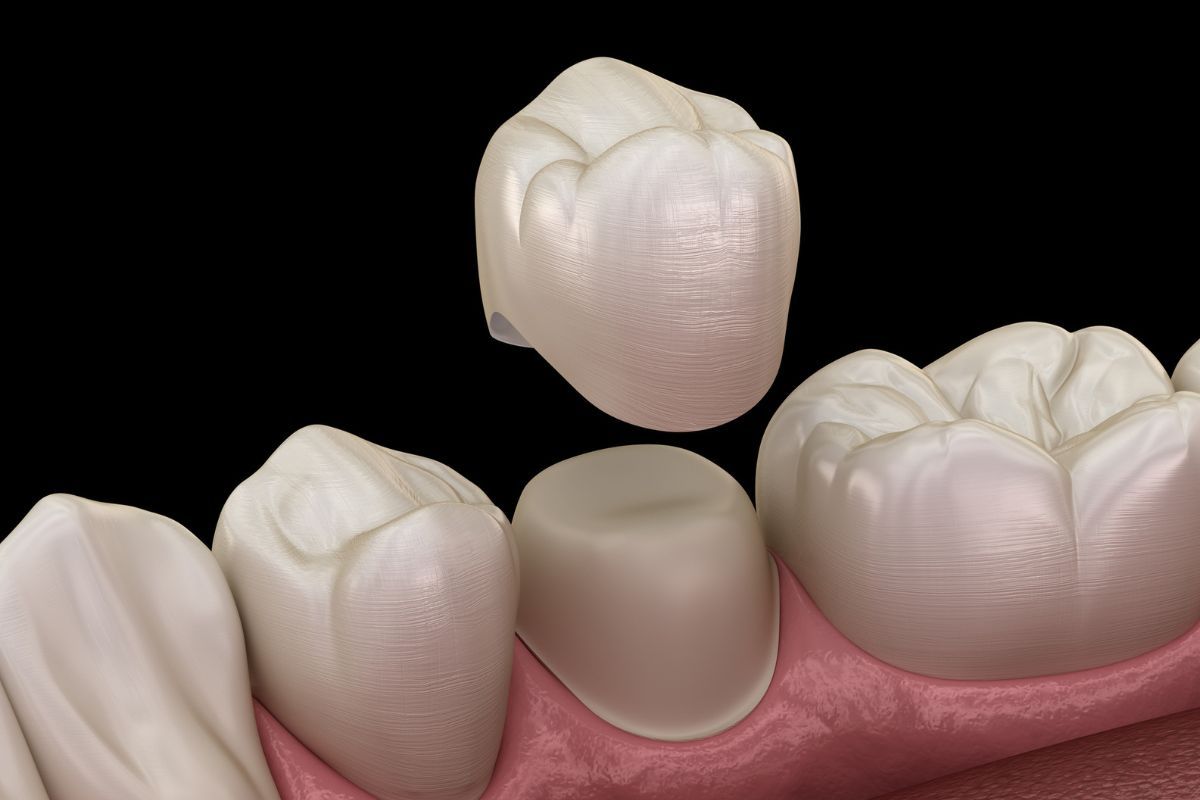
A dental crown is typically recommended when a tooth requires more than just a simple repair. It acts like a durable cap placed over the entire visible portion of the tooth, restoring its structure, strength, and appearance.
Your dentist may suggest a crown if:
- A significant portion of the tooth is decayed or damaged
- There is a visible crack that needs support
- The tooth has undergone root canal treatment
- A filling would not provide enough stability
- The tooth has become worn down over time
Because a crown covers the entire tooth, it offers added protection against further damage. It is especially useful for teeth that endure heavy chewing pressure, such as molars. With proper care, crowns are a reliable, long-term solution that can restore both function and confidence in your smile.
When a Filling May Be All You Need
Fillings are ideal for treating smaller areas of decay or minor damage. Instead of covering the whole tooth, they repair only the affected portion while preserving most of the natural structure.
A filling may be the right choice if:
- The cavity is small or moderate in size
- Most of the tooth remains healthy and intact
- There are no major fractures or structural concerns
- You prefer a quicker and less complex treatment
One of the main advantages of fillings is convenience. They are usually completed in a single appointment and require less tooth preparation. For early-stage tooth decay, fillings are often the most efficient and conservative option.
Crown vs. Filling: Key Differences Explained
Although both treatments are designed to restore damaged teeth, they serve different purposes. Here is how they compare:
Coverage
Fillings target a specific damaged area, while crowns cover the entire tooth for full protection.
Durability
Fillings work well for minor repairs, but crowns provide greater strength for teeth with extensive damage.
Longevity
Fillings may need to be replaced sooner over time. Crowns, on the other hand, tend to last longer with proper care.
Treatment Process
Fillings are typically completed in one visit. Crowns may require multiple appointments, depending on the case and materials used.
How Dentists Determine the Right Treatment
Choosing between a crown and a filling involves more than just looking at the cavity. Your dentist considers several factors to ensure your tooth remains healthy and functional in the long term.
These include:
- The size and depth of the decay
- The location of the tooth in your mouth
- Your bite force and chewing habits
- Any previous dental work on the tooth
- Your overall oral health condition
For instance, a small cavity on a front tooth may only require a filling. However, a larger cavity on a molar, which handles more pressure during chewing, may be better suited for a crown to prevent future damage.
Maintaining Your Dental Restoration
Regardless of whether you receive a crown or a filling, proper care is essential to ensure long-lasting results. Good oral hygiene habits help prevent new decay and protect the restored tooth from further damage. Brushing twice a day, flossing regularly, and attending routine dental checkups all contribute to maintaining a healthy smile.
It is also important to avoid habits that can put excessive stress on your teeth, such as chewing on ice or other hard objects. If you notice any sensitivity or discomfort after treatment, addressing it early can help prevent more serious issues.
Ready to Protect Your Dental Health in Flint?
If you are unsure whether a dental crown or filling is right for your situation, a professional evaluation is the best next step. Every tooth is different, and personalized care ensures you receive the treatment that will work best for you.
At Town Center Family Dental, our team focuses on helping patients understand their options and feel confident in their care decisions. Whether you need a simple filling or a more protective crown, we are here to restore your comfort, function, and smile with treatments tailored to your needs.
Visit our dental office in Flint and let our team help you restore comfort, function, and confidence in your smile.
FAQs About Dental Crowns and Fillings
1. How do I know if I need a crown instead of a filling?
The choice depends on how much of your tooth is damaged. If the structure is mostly intact, a filling is usually enough. However, if a large portion of the tooth is weakened or cracked, a crown is often recommended to provide better strength and long-term protection.
2. Are dental crowns more durable than fillings?
Yes, dental crowns are generally more durable because they cover the entire tooth and provide added reinforcement. They are especially useful for teeth that handle heavy chewing. Fillings are strong but are better suited for smaller areas and may wear out faster over time.
3. Does getting a crown hurt more than getting a filling?
Both procedures are typically comfortable and performed under local anesthesia. A filling is quicker and less involved, while a crown may require more preparation. Some mild sensitivity can occur afterward, but it usually goes away within a few days.
4. How long do dental crowns and fillings last?
Fillings can last several years, depending on the material and your oral habits. Crowns generally last 10 to 15 years or more with proper care. Regular dental visits and good hygiene can extend the lifespan of both treatments.
5. Can a filling turn into a crown later?
Yes, if a tooth with a filling becomes more damaged or weakened over time, it may eventually need a crown. This often happens when decay spreads, or the filling becomes too large to support the remaining tooth structure.
6. Is one option more expensive than the other?
Crowns are usually more expensive than fillings because they involve more materials and a more detailed process. However, they may be more cost-effective in the long run for severely damaged teeth since they offer greater durability and protection.
7. Can I eat normally after getting a crown or filling?
You can usually resume normal eating after both treatments, but it is best to wait until any numbness has worn off. With fillings, you may be able to eat the same day, while crowns may require slight adjustments before full comfort is restored.