By Town Center Dental . 8 October, 2026 .
Thinking About Dental Implants? Here’s What You Should Know
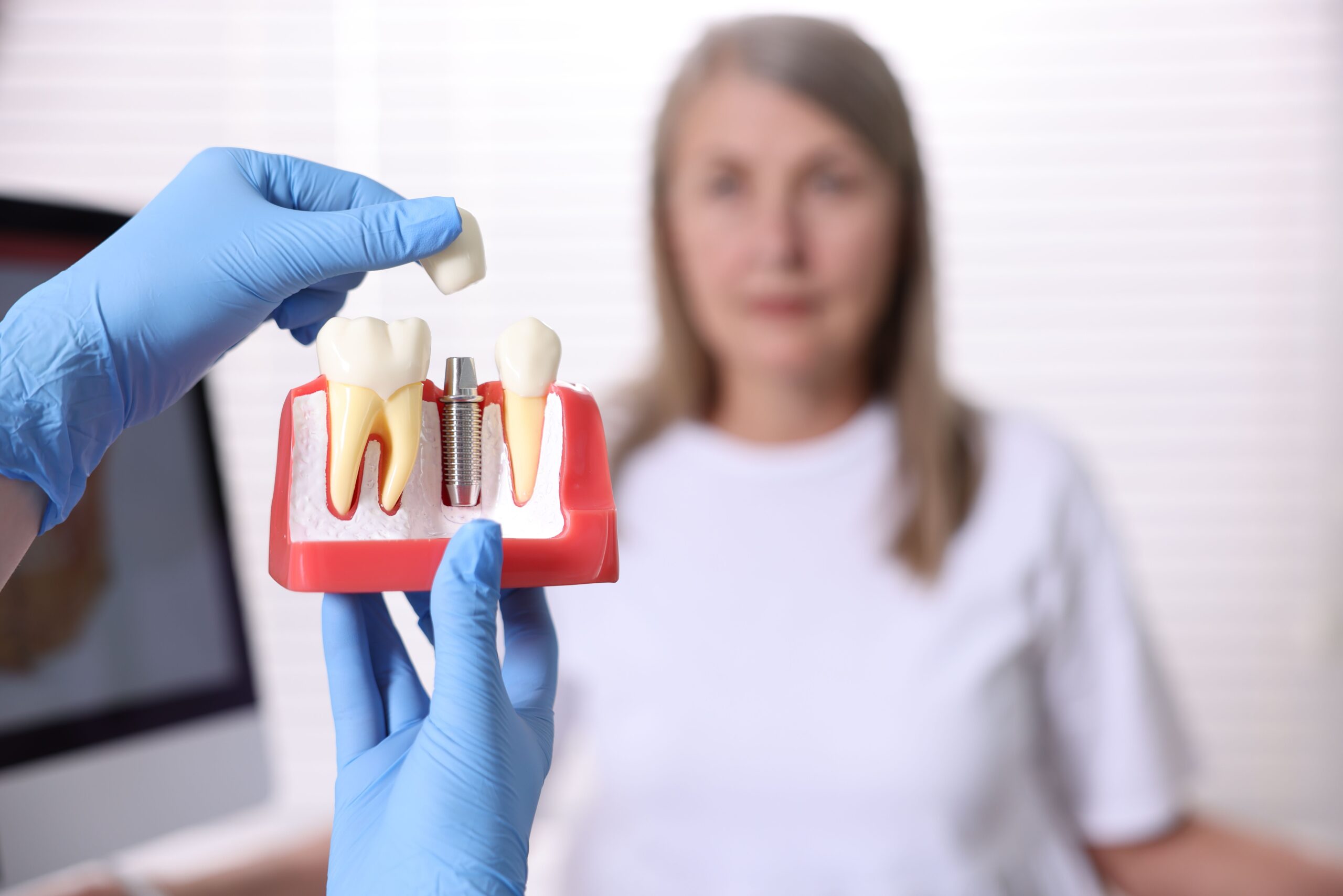
Missing a tooth can affect more than your smile. It may make chewing uncomfortable, change the way you speak, and leave you wondering which replacement option is right for you. Dental implants can provide a stable, long-term solution for many patients, but they aren’t the right choice for everyone.
Before scheduling treatment, it’s important to understand the possible dental implant risks, what can increase your chances of complications, and how proper planning can help protect your oral health.
At Town Center Family Dental, patients in Flint and Linden, Michigan, can explore tooth replacement options and discuss their concerns with a dental professional. Here are seven important considerations to understand before making your decision.
7 Dental Implant Risks You Should Understand
1. Infection Around the Implant
Like any surgical procedure, dental implant placement carries a risk of infection. Bacteria can affect the gum tissue surrounding an implant, and an untreated infection may damage the supporting bone.
Watch for persistent swelling, increasing pain, pus, or redness around the surgical site. These symptoms deserve prompt attention from your dentist.
How to reduce the risk: Follow your aftercare instructions, keep the area clean as directed, and attend recommended follow-up visits.
2. Implant Failure or Poor Bone Integration
A dental implant must bond with the jawbone through a healing process called osseointegration. Sometimes, the bone doesn’t integrate properly with the implant, meaning it may become loose or fail.
Several factors can contribute, including inadequate bone support, infection, smoking, and excessive pressure during healing. Implant failure is possible, but it isn’t inevitable.
How to reduce the risk: Ask your dentist whether you have enough healthy bone, follow healing instructions, and avoid putting unnecessary pressure on the implant before you’re cleared to do so.
3. Bone Loss Around the Implant
Healthy jawbone helps support an implant. However, inflammation around the implant can lead to bone loss, a condition associated with peri-implantitis.
This is one of the dental implant risks that makes long-term maintenance especially important. Bleeding gums, swelling, tenderness, or changes in how the implant feels should not be ignored.
How to reduce the risk: Brush twice daily, clean between your teeth and around the implant, and schedule professional dental examinations and cleanings as recommended.
4. Nerve or Nearby Tissue Damage
Implant placement requires careful planning because nerves, sinuses, and other anatomical structures may be close to the treatment area. In some cases, nerve irritation or injury can cause tingling, numbness, or altered sensation in the lips, chin, gums, or tongue.
These complications are uncommon, but their possibility highlights why proper imaging and treatment planning matter.
How to reduce the risk: Discuss your dental and medical history with your dentist and ask how imaging will help determine a safe implant position.
5. Swelling, Bruising, and Discomfort During Recovery
Some soreness, swelling, bruising, and minor bleeding can occur after implant surgery. The intensity and duration depend on the procedure and your individual healing response.
Discomfort should generally improve as healing progresses. Severe or worsening pain, persistent bleeding, fever, or swelling that continues to increase needs professional evaluation.
How to reduce the risk: Follow your post-operative instructions, take prescribed or recommended medications as directed, and contact your dentist if recovery doesn’t seem to be progressing normally.
6. Gum Recession or Changes in Appearance
An implant-supported crown is designed to look natural, but the final appearance depends on several factors, including gum health, bone support, implant position, and the shape of the surrounding tissues.
In some cases, gum recession may expose part of the implant or create an uneven appearance, particularly in the front of the mouth.
How to reduce the risk: Discuss your cosmetic expectations before treatment. Ask about gum health, bone support, and the expected appearance of the finished restoration.
7. Damage to the Implant Crown or Other Components
The implant itself isn’t the only part that requires attention. The crown, connector, or other components may loosen, chip, crack, or wear over time.
Biting hard objects, grinding your teeth, and skipping maintenance appointments may contribute to mechanical problems.
How to reduce the risk: Avoid chewing ice or other very hard objects, tell your dentist if you grind your teeth, and have the restoration checked regularly.
Who May Have a Higher Risk of Complications?
Certain factors may affect healing and long-term implant health. They don’t automatically rule out treatment, but they should be discussed during your consultation.
| Risk factor | Why it matters |
|---|---|
| Smoking or tobacco use | Can interfere with healing and increase complication risk |
| Poorly controlled diabetes | May affect wound healing and infection risk |
| Active gum disease | Can compromise the tissues supporting an implant |
| Insufficient jawbone | May require additional evaluation or bone grafting |
| Teeth grinding | Can place excessive pressure on implant components |
| Inconsistent oral hygiene | Allows plaque to build up around the implant |
Your medical history, medications, bone health, and oral hygiene habits all help determine whether implants are appropriate for you. The American Dental Association recommends discussing implant treatment with your dentist to understand your individual circumstances.
Are Dental Implants Still Worth Considering?
Understanding the dental implant risks doesn’t mean you should automatically avoid treatment. For many suitable candidates, implants offer a durable way to replace missing teeth without relying on neighboring teeth for support.
The right choice depends on your needs, health, budget, and treatment goals.
| Tooth replacement option | Potential benefit | Important consideration |
|---|---|---|
| Dental implants | Fixed replacement that can function much like a natural tooth | Requires surgery and healing time |
| Dental bridge | Fixed replacement supported by neighboring teeth | Often requires preparing adjacent teeth |
| Removable dentures | Can replace several or all missing teeth | May require adjustments and maintenance |
No option is best for everyone. A dental consultation can help you compare the benefits, limitations, costs, and maintenance requirements of each treatment.
How Can You Make Dental Implant Treatment Safer?
Although no procedure is completely risk-free, a few practical steps can help you prepare:
- Share your medical history: Tell your dentist about medical conditions, medications, supplements, and tobacco use.
- Treat existing gum disease: Healthy gums are important before implant placement.
- Ask about your bone health: Your dentist can assess whether you have sufficient bone support.
- Follow recovery instructions: Avoid smoking and follow guidance about eating, cleaning, and physical activity.
- Keep up with maintenance: Regular examinations help identify potential problems early.
At Town Center Family Dental, patients from Flint, Linden, and surrounding Michigan communities can discuss their tooth replacement concerns and learn which options may fit their needs.
Frequently Asked Questions
1. What are the most common dental implant risks?
Potential complications include infection, poor bone integration, inflammation around the implant, discomfort during healing, gum recession, and damage to the crown or other components. Your individual risk depends on your health and treatment plan.
2. Can your body reject a dental implant?
Dental implants aren’t typically rejected in the same way as transplanted organs. However, an implant may fail to integrate with the bone or develop complications involving infection or inflammation.
3. Who should avoid dental implants?
There isn’t one rule for everyone. Certain uncontrolled medical conditions, active gum disease, inadequate bone support, and tobacco use may increase complications or require additional treatment. A dental professional can assess your individual suitability.
4. How can I tell if my dental implant is infected?
Possible warning signs include increasing pain, swollen or bleeding gums, pus, persistent bad taste, or a loose-feeling implant. Contact your dentist promptly if you notice these symptoms.
5. How long do dental implants last?
Dental implants can last many years, but their longevity varies. Oral hygiene, regular dental care, general health, smoking, and chewing forces all influence long-term outcomes. The implant and its crown may also have different lifespans.
Take the Next Step Toward a Healthier Smile
Dental implants can be an excellent tooth replacement option, but making an informed decision starts with understanding the benefits and possible complications. If you’re considering treatment, don’t let uncertainty stop you from asking questions.
Contact Town Center Family Dental to discuss your options:
- Flint, MI: 810-285-7236
- Linden, MI: 810-379-9225
Schedule a consultation to discuss your oral health, treatment goals, and whether dental implants may be right for you.