By Town Center Dental . 8 November, 2024 .
Have you recently lost a tooth or multiple teeth? Are you considering your options to restore your smile and oral function? Dental implants and bridges are two popular choices, each with its own advantages and disadvantages. In this blog post, we’ll delve into the details of both options, explore the latest statistics, and help you make an informed decision.
What are Dental Implants?
Dental implants are artificial tooth roots surgically placed into your jawbone. Once the implant fuses with the bone, a custom-made crown is attached to the top, restoring both the look and function of your natural teeth.
Benefits of Dental Implants:
- Durability: Dental implants are incredibly durable and can last a lifetime with proper care.
- Natural Look and Feel: Implants look and feel like natural teeth, restoring your smile’s beauty and confidence.
- Improved Speech: Implants can help improve speech problems caused by missing teeth.
- Enhanced Eating: Implants allow you to enjoy a wide range of foods without worry.
- Preservation of Jawbone: Implants stimulate bone growth, preventing jawbone deterioration.
What are Dental Bridges?
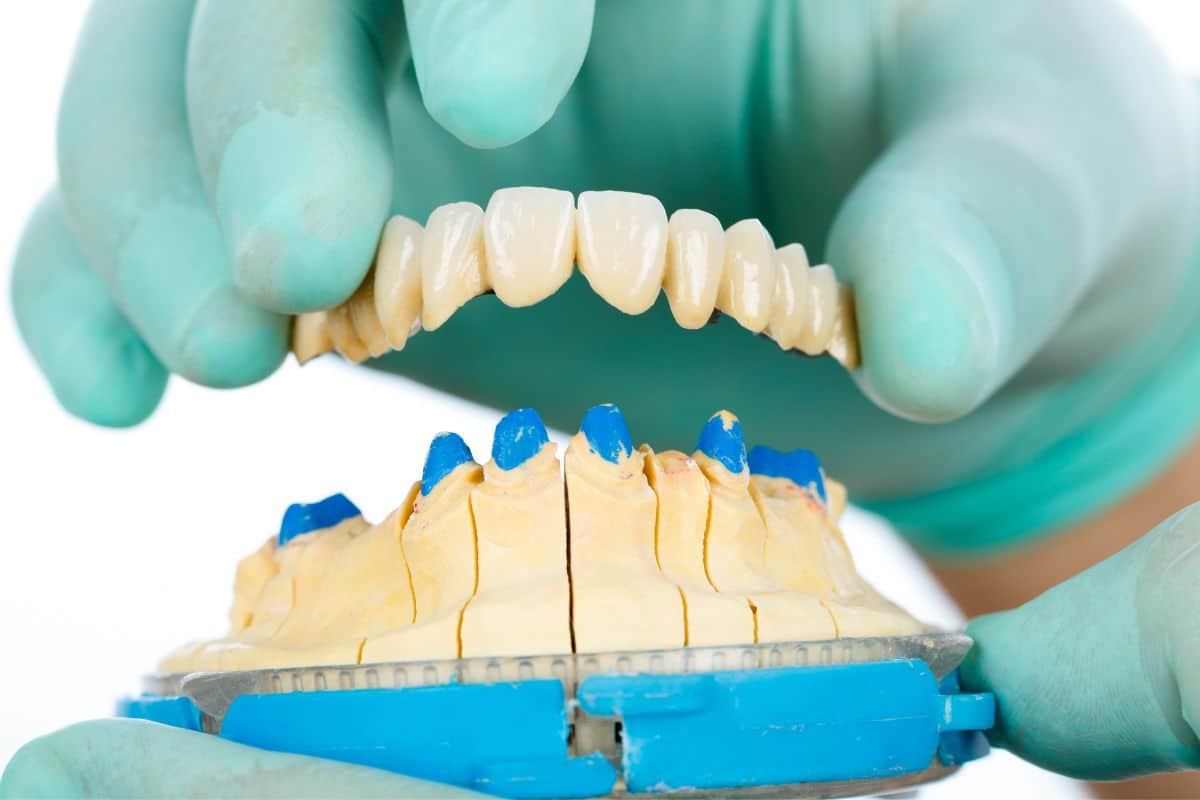
A dental bridge is a prosthetic device used to replace one or more missing teeth. It consists of a pontic (artificial tooth) anchored to adjacent teeth with crowns.
Benefits of Dental Bridges:
- Affordability: Bridges are generally more affordable than implants.
- Quick Procedure: Bridge placement is a less invasive procedure compared to implants.
Statistics and Data
According to the American College of Prosthodontists, dental implants have a success rate of over 95%. Additionally, a study published in the Journal of Periodontology found that dental implants can improve oral health by reducing plaque and gum disease.
Key Differences and Considerations:
- Durability: Implants are more durable and long-lasting than bridges.
- Bone Preservation: Implants help maintain jawbone health, while bridges can lead to bone loss over time.
- Oral Hygiene: Implants require meticulous oral hygiene, while bridges can be more challenging to clean around.
- Cost: Implants are typically more expensive upfront, but they can save money in the long run due to their durability.
- Procedure: Implant placement is a surgical procedure, while bridge placement is a non-surgical procedure.
Choosing the Right Option
The best option for you will depend on various factors, including:
- Number of Missing Teeth: If you’re missing multiple teeth, implants may be a more practical solution.
- Oral Health: Good oral health is essential for both implants and bridges.
- Lifestyle: Consider your lifestyle and dietary habits when making a decision.
- Budget: Implants are generally more expensive than bridges.
Consulting a Dentist
The best way to determine the right option for you is to consult with a qualified dentist in Flint Township. They can assess your specific needs and recommend the most suitable treatment plan.
Conclusion
Both dental implants and bridges offer effective solutions for replacing missing teeth. By understanding the key differences and consulting with a dental professional, you can make an informed decision that will restore your smile and improve your quality of life.