
By Town Center Dental . 8 May, 2026 .
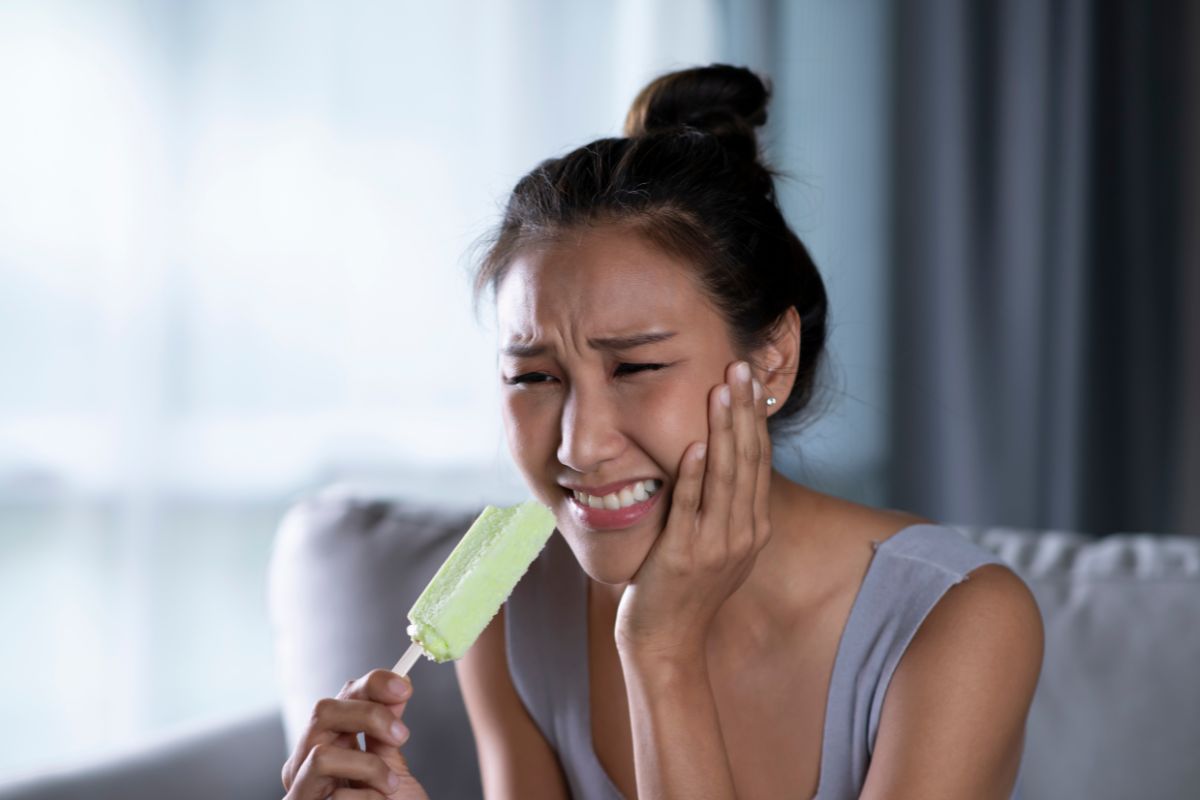
There is nothing quite like enjoying a bowl of ice cream on a warm day. But for many people, that first cold bite brings an uncomfortable jolt of pain instead of enjoyment. Tooth sensitivity is one of the most common dental complaints, and cold foods like ice cream often trigger it quickly.
Some people experience mild discomfort that fades within seconds, while others feel sharp pain that lingers. Although occasional sensitivity may not seem serious, it can sometimes point to underlying dental problems that should not be ignored.
Understanding why your teeth react to cold foods can help you protect your smile and prevent future discomfort.
Why Ice Cream Triggers Tooth Sensitivity
Tooth sensitivity usually happens when the protective layers of the teeth become weakened or exposed. Underneath the enamel is a softer layer called dentin, which contains tiny pathways connected to the nerves inside the tooth. Cold temperatures can travel through these pathways and trigger sudden pain.
If sensitivity continues regularly, it may be time to consult an experienced dentist to determine whether enamel wear, gum recession, or tooth damage is contributing to the problem.
Several dental issues can make ice cream especially painful:
• Worn enamel from acidic foods or aggressive brushing
• Cavities that expose deeper areas of the tooth
• Receding gums that uncover sensitive roots
• Cracked or damaged teeth
• Teeth grinding during sleep
• Gum disease that affects tooth support
In many cases, sensitivity develops gradually, making it easy to ignore until everyday foods start causing discomfort.
The Connection Between Enamel Wear and Sensitivity
Enamel acts as a protective shield for your teeth. It helps block bacteria, temperature changes, and daily wear from reaching the sensitive inner layers.
Once enamel becomes thin or damaged, teeth lose some of their natural protection. As a result, cold foods and drinks can trigger discomfort much more easily.
Acidic beverages, sugary snacks, and poor oral habits often contribute to enamel erosion over time. Brushing too hard or using a stiff toothbrush may also wear down enamel and irritate the gums.
Unlike other tissues in the body, enamel cannot regenerate naturally. Protecting it early is one of the most important steps in maintaining long-term oral health.
What Is Wearing Down Your Enamel?
Several everyday habits and dental conditions may contribute to enamel loss and tooth sensitivity.
- Aggressive brushing: Brushing too hard, especially with a firm-bristled brush, can scrape away enamel over time and push the gums back from the tooth surface.
- Acid erosion: Frequent consumption of citrus, soda, and coffee creates an acidic oral environment that gradually dissolves enamel.
- Bruxism: Grinding your teeth can gradually wear down enamel, exposing the dentin and leading to heightened response to cold, hot, or acidic foods.
- Gum recession: When gums pull away from the teeth, the roots, which are not protected by enamel, become exposed. It makes them more sensitive to cold, hot, and sweet foods.
- Cracked or chipped teeth: Even the tiniest crack can act as a direct pathway to the tooth’s nerve, making it painful to enjoy frozen treats.
- Recent oral care procedures: Fillings, crowns, whitening treatments, and deep cleanings can temporarily increase reactivity. However, this usually fades within days or weeks.
Understanding the root cause matters because the solution is different for each one.
Can Tooth Sensitivity Be Treated?
Tooth sensitivity can often be managed successfully with the right treatment plan and preventive care.
Treatment options may include:
- Desensitizing toothpaste: These products contain compounds such as potassium nitrate or stannous fluoride that block dentinal tubules over time. They can reduce discomfort noticeably, but do not reverse the underlying structural issue.
- Fluoride treatments: Applied professionally, fluoride strengthens the remaining enamel and can slow further erosion. It is a supportive treatment, not a standalone fix.
- Bonding: For areas with significantly worn enamel, a thin layer of composite resin can be applied to protect the exposed surface. This is a durable, non-invasive solution.
- Gum grafting: In more severe cases of gum recession, a gum graft may address both cold reactivity and gum health simultaneously.
- Nightguards: For patients whose enamel loss is linked to grinding, a custom nightguard stops the physical wearing process at its source.
Over-the-counter products may provide temporary relief, but a professional evaluation is often necessary when sensitivity persists.
Everyday Habits That Help Reduce Sensitivity
Small changes in your daily routine can make a noticeable difference in protecting sensitive teeth.
Helpful habits include:
• Using a soft-bristle toothbrush
• Brushing gently instead of scrubbing aggressively
• Limiting acidic foods and beverages
• Drinking water after sugary snacks
• Wearing a nightguard if you grind your teeth
• Scheduling routine dental cleanings
Good oral care habits help reduce irritation and support healthier enamel over time.
Enjoy Your Favorite Cold Treats Again in Flint
Tooth sensitivity should not stop you from enjoying your favorite foods. Whether the discomfort is mild or severe, identifying the cause early can help protect your teeth and improve your comfort.
At Town Center Family Dental, we provide personalized dental care designed to identify the source of tooth sensitivity and restore long-term oral health.
Visit our dental office in Flint to explore treatment options that help you eat, drink, and smile with greater comfort and confidence.
FAQs About Tooth Sensitivity From Ice Cream
1. Why does ice cream make my teeth hurt?
Ice cream can trigger pain when the enamel thins or the tooth roots become exposed. Cold temperatures reach the nerves inside the tooth more easily, causing sudden sensitivity and discomfort.
2. Is tooth sensitivity from ice cream a sign of cavities?
Sometimes, yes. Cavities can expose the inner layers of the tooth and increase sensitivity to cold foods. However, gum recession, enamel erosion, and cracked teeth may also cause similar symptoms.
3. Can tooth sensitivity go away on its own?
Mild sensitivity may improve with better oral care habits and desensitizing toothpaste. If the pain continues or worsens, professional dental treatment may be necessary to address the underlying issue.
4. Does brushing too hard cause tooth sensitivity?
Yes. Aggressive brushing can wear down enamel and irritate the gums over time. This may expose sensitive areas of the teeth and increase pain when eating cold foods, such as ice cream.
5. What toothpaste works best for sensitive teeth?
Desensitizing toothpaste designed for sensitive teeth can help block pain signals and gradually reduce discomfort. Consistent use often improves sensitivity over several weeks.
6. Can gum disease make teeth sensitive to cold foods?
Yes. Gum disease may cause the gums to recede, exposing the tooth roots. Since roots are not protected by enamel, they are more sensitive to cold temperatures and sweet foods.
7. When should I see a dentist for tooth sensitivity?
You should schedule a dental visit if sensitivity becomes frequent or severe, or if it persists after eating cold foods. Persistent pain may indicate cavities, enamel damage, or other dental concerns that need treatment.