
By Town Center Dental . 5 August, 2024 .
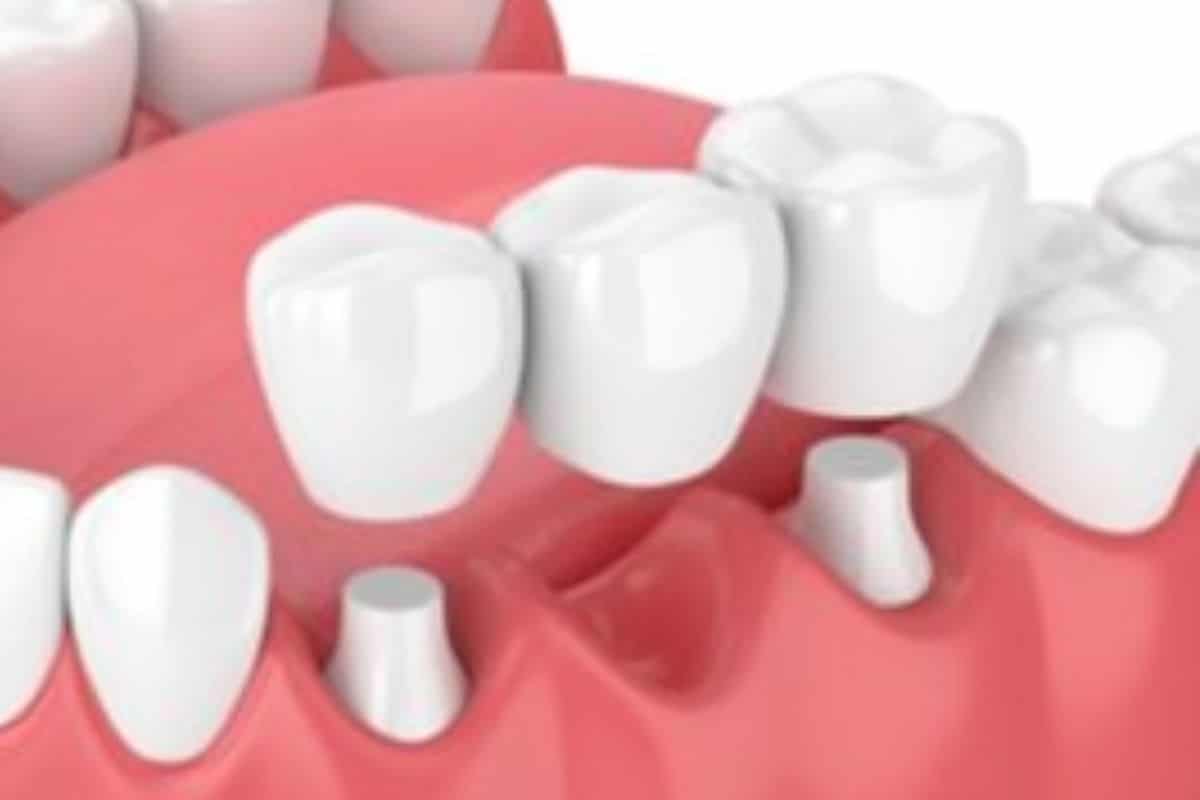
Ever looked in the mirror and wondered how long that shiny new dental bridge of yours is going to stick around? You’re not alone. Dental bridges are a fantastic solution for missing teeth, restoring your smile, and improving your bite. But like anything, they have a lifespan. So, let’s dive in and uncover the secrets to your bridge’s longevity.
Understanding Your Dental Bridge
Before we talk about how long your dental bridge might last, let’s quickly recap what it is. A dental bridge is a prosthetic that replaces one or more missing teeth. It’s essentially a false tooth (or teeth) anchored to the adjacent teeth. There are primarily two types: traditional and cantilever bridges.
How Long Does a Dental Bridge Typically Last?
The million-dollar question! Well, maybe not a million dollars, but it’s definitely a significant one.
The average lifespan of a dental bridge is between 5 and 15 years. However, this is just a ballpark figure. A lot depends on factors like the type of bridge, the materials used, your oral hygiene, and your overall health.
- Material Matters: Bridges can be made from gold, porcelain, or a combination of both. Porcelain is known for its aesthetic appeal, but gold is generally more durable.
- Oral Hygiene is Key: Just like your natural teeth, your dental bridges in Flint Township needs proper care. Regular brushing, flossing, and professional cleanings are essential.
- Grinding and Clenching: These habits can put immense pressure on your bridge, leading to premature wear and tear.
- Underlying Tooth Health: The health of the teeth supporting the bridge is crucial. If these teeth develop problems, it can affect the bridge.
Factors Affecting Bridge Lifespan
While the average lifespan is a good starting point, several factors can influence how long your bridge lasts.
- Type of Bridge: Traditional bridges, supported by crowns on adjacent teeth, generally last longer than cantilever bridges, which are supported by a single tooth.
- Oral Hygiene: As mentioned earlier, consistent oral care is paramount. Plaque buildup and gum disease can wreak havoc on your bridge and its supporting teeth.
- Grinding and Clenching: These habits can put excessive stress on your bridge, leading to fractures or loosening.
- Diet: Hard or sticky foods can damage your bridge. Chewing on ice or hard candy is a big no-no.
- Regular Dental Checkups: Consistent check-ups help detect potential issues early on, prolonging your bridge’s life.
Statistics on Dental Bridge Lifespan
While there isn’t a plethora of specific data on the lifespan of dental bridges, we can draw insights from broader dental statistics.
According to the American Dental Association (ADA), regular dental checkups and cleanings can significantly reduce the risk of dental problems, including those affecting bridges.
Tips for Prolonging Your Dental Bridge’s Life
Want to give your dental bridge the best chance at a long and happy life? Here are some tips:
- Brushing and Flossing: Brush twice a day, floss daily, and use mouthwash.
- Visit your dentist regularly: Regular check-ups can help detect any issues early on.
- Avoid bad habits: Stop grinding or clenching your teeth.
- Watch your diet: Be mindful of what you eat.
- Wear a nightguard: If you grind your teeth, a nightguard can protect your bridge.
Remember: While dental bridges are durable, they’re not indestructible. By taking good care of your oral health and always consult with a qualified dentist in Flint Township for personalized guidance, you can significantly extend the life of your bridge and enjoy a beautiful, functional smile for years to come.