By Town Center Dental . 4 June, 2026 .
Preventive dental care plays a vital role in maintaining healthy teeth and gums throughout life. Issues such as gum irritation, persistent bad breath, tooth sensitivity, or mild oral discomfort may seem minor at first, but they can often signal underlying dental concerns that deserve attention. Recognizing these early warning signs and addressing them promptly can help prevent more serious oral health problems in the future.
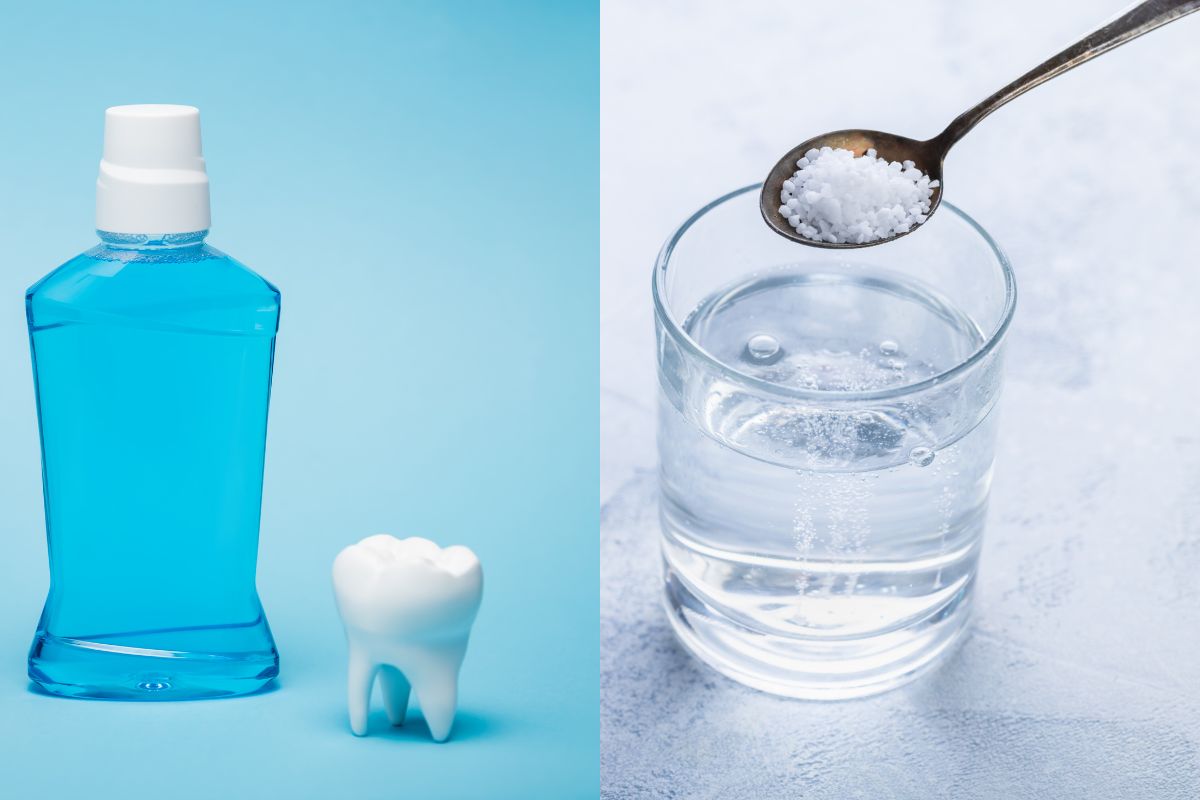
When it comes to at-home oral care, many people include mouthwash in their daily routine. In contrast, others rely on warm saltwater rinses to relieve irritation or support healing after dental treatment. Although both options can be beneficial, they serve different purposes and should not be viewed as direct substitutes. Understanding when and how to use each can help you make informed decisions about your oral health.
Why Oral Rinses Matter
Brushing and flossing remain the foundation of good oral hygiene, but oral rinses can provide valuable additional support. Depending on the type of rinse used, they may help remove food particles, reduce bacteria, soothe irritated tissues, freshen breath, and promote overall oral comfort. If symptoms such as gum inflammation, sensitivity, or persistent bad breath continue despite good oral hygiene habits, it is advisable to consult an experienced dentist for a thorough dental evaluation.
Different oral rinses serve different purposes. Some are formulated to support gum health, while others help strengthen tooth enamel, reduce plaque buildup, or promote healing after dental procedures. When used as part of a complete oral hygiene routine, oral rinses can be an effective addition to your daily dental care regimen.
What Is a Salt Water Rinse?
A saltwater rinse is one of the simplest and most widely used home remedies for oral care. It involves dissolving a small amount of salt in warm water and gently swishing the solution around the mouth.
Dentists frequently recommend saltwater rinses because they are inexpensive, easy to prepare, and generally safe for most individuals. Salt water creates an environment that can help reduce bacterial growth while soothing inflamed or irritated oral tissues.
Although a saltwater rinse is not a treatment for dental disease, it can support the body’s natural healing process and provide temporary relief from discomfort.
Benefits of Salt Water Rinses
Saltwater rinses are particularly valued for their soothing properties. They can help calm irritated tissues and provide comfort during periods of oral inflammation or recovery.
Some potential benefits include:
- Helping reduce gum swelling and inflammation
- Flushing away food debris and bacteria
- Supporting healing after tooth extractions and other procedures
- Providing temporary relief from mouth sores and minor irritation
- Keeping healing tissues clean during recovery
Because salt water is gentle, dentists often recommend it following certain dental treatments when stronger rinses could cause unnecessary irritation.
Limitations of Salt Water Rinses
While saltwater rinses offer several benefits, they also have limitations. They do not contain ingredients specifically formulated to fight plaque, strengthen enamel, or provide long-term cavity protection.
Salt water cannot treat advanced gum disease, eliminate serious infections, or replace professional dental care. It should be viewed as a supportive measure rather than a complete oral hygiene solution.
Maintaining healthy teeth and gums still requires regular brushing, flossing, routine dental visits, and professional treatment when necessary.
What Is Mouthwash?
Mouthwash is a specially formulated oral rinse designed to address specific oral health concerns. Depending on the product, mouthwash may help reduce bacteria, strengthen enamel, control plaque, freshen breath, or decrease gum inflammation.
Not all mouthwashes serve the same purpose. Some are cosmetic rinses that primarily improve breath freshness, while others are therapeutic products formulated to support oral health and help prevent dental problems.
Understanding the type of mouthwash you use is important because different products offer different benefits.
Benefits of Mouthwash
When used as directed, therapeutic mouthwash can be a valuable addition to a daily oral care routine.
Potential benefits include:
- Reducing harmful bacteria that contribute to gum disease
- Improving breath freshness
- Helping control plaque accumulation
- Supporting healthier gums
- Providing additional cavity protection through fluoride
- Enhancing overall oral hygiene
For patients with specific concerns such as gum disease, chronic bad breath, or an increased risk of cavities, dentists may recommend a prescription-strength rinse tailored to their needs.
Potential Drawbacks of Mouthwash
Although mouthwash can be beneficial, it is not without limitations. Some products contain alcohol, which may contribute to dry mouth or irritation in sensitive individuals. Others may cause temporary discomfort if used excessively or incorrectly.
One of the most common misconceptions is that mouthwash can replace brushing and flossing. While it can help reduce bacteria and freshen breath, it cannot remove plaque and food debris as effectively as mechanical cleaning.
For the best results, mouthwash should be used as part of a complete oral hygiene routine rather than as a substitute for daily brushing and flossing.
When Dentists Recommend Salt Water
There are several situations where dentists may recommend saltwater rinses instead of mouthwash. Following procedures such as tooth extractions, dental implant placement, or certain periodontal treatments, saltwater can help keep the area clean while minimizing irritation.
Saltwater rinses may also be recommended for:
- Minor gum irritation
- Canker sores
- Mild oral inflammation
- Temporary oral discomfort
- Healing tissues after dental treatment
In these cases, the gentle and soothing nature of salt water often makes it the preferred choice.
When Dentists Recommend Mouthwash
Mouthwash is typically recommended for long-term prevention and management of oral health concerns. Patients who experience persistent bad breath, excessive plaque buildup, frequent cavities, or early signs of gum disease may benefit from incorporating a therapeutic rinse into their routine.
The most appropriate mouthwash depends on individual factors such as age, medical history, medications, and existing dental conditions. A routine dental checkup can help ensure you choose a product that supports your specific oral health goals.
Can You Use Both?
In many cases, yes. Salt water and mouthwash do not have to compete. They can serve different functions within an oral care routine.
For example, a patient recovering from a dental procedure may temporarily use saltwater rinses during healing and later return to a therapeutic mouthwash for ongoing oral health maintenance. The right approach depends on your individual circumstances and oral health needs.
Common Myths About Oral Rinses
Myth: Salt Water Is Always Better Because It Is Natural
Natural does not automatically mean more effective. While salt water offers certain benefits, it lacks many of the protective ingredients found in therapeutic mouthwashes.
Myth: Mouthwash Can Replace Brushing
No rinse can substitute for brushing and flossing. Mechanical cleaning remains essential for removing plaque and food debris.
Myth: Stronger Mouthwash Means Better Results
Using a stronger product than necessary may lead to irritation without providing additional benefits. The best mouthwash is the one that addresses your specific needs.
Myth: Everyone Needs the Same Oral Rinse
Oral health is highly individual. What works well for one person may not be ideal for another.
How to Choose the Right Option
Choosing between mouthwash and salt water depends on what you are trying to accomplish. If your goal is temporary relief from irritation or support during healing, salt water may be the better choice.
If you want ongoing protection against cavities, plaque, and bacteria, a therapeutic mouthwash may provide greater benefits.
The most effective strategy often involves professional guidance. Regular dental checkups allow potential issues to be identified early and ensure that your home care routine supports long-term oral health.
Protect Your Oral Health With Expert Guidance
A healthy smile starts with informed decisions and personalized care. If you have questions about oral rinses, gum health, cavity prevention, or your daily dental routine, professional advice can help you choose the most effective approach for lasting results.
The team at Town Center Family Dental is committed to helping patients maintain healthy teeth and gums through preventive care, personalized treatment, and ongoing oral health education. Schedule an appointment in our Flint dental office to discuss your oral hygiene routine and learn which solutions can best support your long-term dental health.
FAQs About Mouthwash vs. Salt Water
1. Is salt water better than mouthwash for gum health?
Salt water can help soothe irritated gums and support healing, especially after dental procedures. However, therapeutic mouthwashes may provide additional benefits by targeting bacteria and plaque that contribute to gum disease. The better option depends on your specific oral health needs.
2. How often should I rinse with salt water?
For temporary concerns such as minor irritation or healing after treatment, dentists commonly recommend rinsing a few times per day for a limited period. Long-term use should be discussed with a dental professional to ensure it is appropriate for your oral health needs.
3. Can salt water kill bacteria in the mouth?
Salt water may create an environment that discourages bacterial growth and helps flush away debris. However, it is not as targeted as certain therapeutic mouthwashes specifically formulated to reduce harmful oral bacteria.
4. Should I use mouthwash before or after brushing?
Many dentists recommend using mouthwash after brushing and flossing, depending on the type of rinse. Following the instructions provided with the product and any recommendations from your dentist can help maximize its benefits.
5. Can mouthwash help prevent cavities?
Some mouthwashes contain fluoride, which can strengthen enamel and help reduce the risk of cavities. These products are most effective when combined with regular brushing, flossing, and routine dental visits.
6. Is alcohol free mouthwash a better choice?
Alcohol free mouthwash can be a good option for people who experience dry mouth, sensitivity, or irritation. Many alcohol-free products provide excellent antibacterial benefits without the drying effects associated with alcohol-based formulas.
7. Can I use mouthwash and saltwater on the same day?
In many cases, yes. Some people use saltwater rinses for temporary healing support while continuing their regular mouthwash routine. The timing and frequency should be based on your dental needs and your dentist’s recommendations.