By Town Center Dental . 9 June, 2023 .
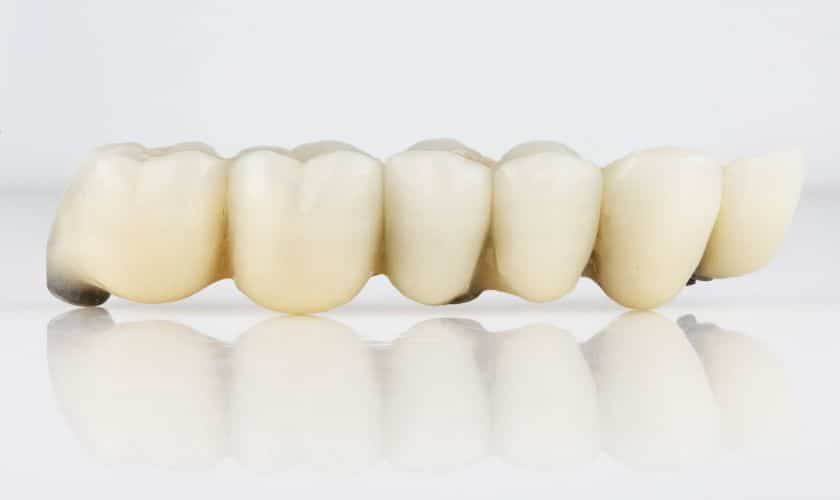
A confident smile is a reflection of not just healthy teeth but also a harmonious and aesthetically pleasing appearance. Dental restorations such as crowns and bridges play a vital role in achieving that perfect smile. These artistic dental treatments enhance the functionality, structure, and overall beauty of your teeth. In this blog, we will explore the art of dental restoration through crowns and bridges, their benefits, the procedure involved, and how they can transform your smile.
Understanding Dental Crowns And Bridges
Dental Crowns: Dental crowns, also known as caps, are custom-made restorations that cover and encase the entire visible portion of a damaged tooth. They are designed to restore the tooth’s shape, size, strength, and appearance, providing both functional and cosmetic benefits.
Dental Bridges: Dental bridges are prosthetic devices used to replace one or more missing teeth. They consist of one or more artificial teeth (pontics) anchored to adjacent natural teeth or dental implants. Bridges restore your smile by filling the gaps and preventing the shifting of surrounding teeth.
The Benefits Of Crowns And Bridges
Restoring Tooth Functionality: Crowns and bridges restore the functionality of damaged or missing teeth, allowing you to bite, chew, and speak with ease. They provide stability, strength, and proper alignment, ensuring optimal oral function.
Enhancing Aesthetics: Dental restorations like crowns and bridges are designed to match the color, shape, and size of your natural teeth, resulting in a seamless and beautiful smile. They improve the overall appearance and boost your self-confidence.
Preventing Dental Complications: Missing teeth can lead to various oral health issues, such as misalignment, bite problems, and jawbone deterioration. Bridges help maintain the alignment of surrounding teeth and prevent these complications.
Long-Term Durability: Crowns and bridges are made from durable materials such as porcelain, ceramic, or metal alloys. With proper care and regular dental visits, they can last for many years, providing a long-term solution for dental restoration.
The Dental Restoration Procedure
Consultation and Treatment Planning: During your initial consultation, your dentist will evaluate your oral health, discuss your concerns and goals, and determine the appropriate treatment plan. They will explain the procedure, address any questions or doubts, and create a customized treatment plan for your specific needs.
Tooth Preparation: For both crowns and bridges, the affected teeth are prepared by removing any decayed or damaged portions. The teeth are reshaped to create space for the restoration, and impressions are taken to ensure a precise fit.
Temporary Restoration: While your permanent crowns or bridges are being fabricated in a dental laboratory, temporary restorations are placed to protect your prepared teeth and maintain their functionality and aesthetics.
Final Placement: Once your permanent restorations are ready, they are meticulously placed and bonded to your prepared teeth. Your dentist will ensure proper fit, alignment, and bite, making necessary adjustments for a comfortable and natural-looking result.
Caring for Crowns And Bridges
Maintain Good Oral Hygiene: Brush your teeth at least twice a day with a soft-bristle toothbrush and fluoride toothpaste. Floss daily and rinse with an antimicrobial mouthwash to remove plaque and prevent gum disease.
Schedule Regular Dental Check-ups: Visit your dentist for routine check-ups and professional cleanings. Your dentist will examine your restorations, assess their condition, and address any concerns to ensure their longevity and effectiveness.
Avoid Chewing Hard Objects: To prevent damage to your crowns or bridges, avoid chewing on hard objects like ice, pens, or nuts. These habits can lead to fractures or dislodgment of the restorations.
The Bottom Line
Dental restoration through crowns and bridges is an art that combines functionality and aesthetics to enhance your smile. Whether you need to restore damaged teeth or replace missing teeth, these restorations offer numerous benefits, including improved oral function, enhanced appearance, and long-term durability. Consult with your dentist to discuss your options and embark on a journey towards a healthier and more beautiful smile through the art of dental restoration.