By Town Center Dental . 13 December, 2024 .
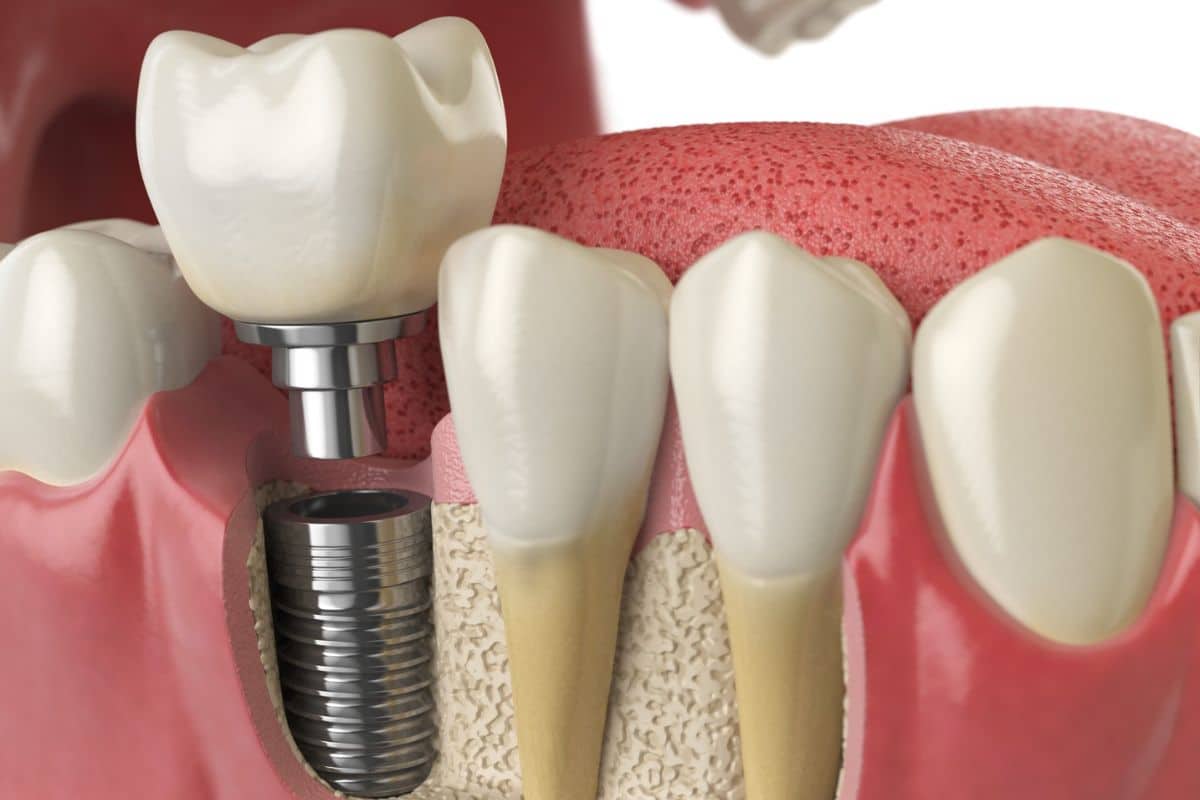
Dental implants are considered the gold standard for replacing missing teeth, offering both a natural look and exceptional durability. With proper care, they can last a lifetime. But did you know that nearly 98% of dental implants are successful when maintained properly, according to the American Academy of Implant Dentistry (AAID)? That’s great news! However, maintaining dental implants requires more than just brushing twice a day.
In this blog, we’ll explore the essential steps to ensure your dental implants stay healthy and functional for years to come. So, if you’ve invested in your smile, let’s make sure it stays beautiful for a lifetime.
Brush and Floss Consistently—and Properly
While dental implants aren’t prone to cavities, the gums and bones around them are still vulnerable to infection and disease. A condition called peri-implantitis, similar to gum disease, can develop without proper hygiene, potentially leading to implant failure.
Tip: Use a soft-bristle toothbrush and fluoride toothpaste to brush your teeth twice daily.
Flossing: Research from the Journal of Clinical Periodontology suggests that regular flossing can reduce the risk of gum inflammation by up to 40%. Use unwaxed or implant-specific floss to clean around your implants without damaging them.
You can also consider using a water flosser, which is highly effective for cleaning around dental implants.
Don’t Skip Regular Dental Check-Ups
Your dentist plays a critical role in monitoring the health of your dental implants. Professional cleanings and check-ups can identify potential problems before they become serious.
According to the AAID, dental implants have a 95% success rate over 10 years, but regular maintenance is key to this longevity.
Check-ups every six months allow dentists to inspect your implants, clean hard-to-reach areas, and assess the surrounding bone and gums using X-rays.
Avoid Smoking
If you smoke, quitting could be one of the best decisions you make for your dental implants. Studies show that smokers are at a significantly higher risk of implant failure.
According to a 2020 study published in the International Journal of Oral and Maxillofacial Implants, smoking can double the failure rate of dental implants, primarily due to reduced blood flow and slower healing.
Smoking increases the risk of peri-implantitis, which can weaken the bone structure supporting the implant.
If you need help quitting, talk to your dentist or healthcare provider about resources and support.
Watch Your Diet
The foods you eat can impact the health of your implants. While dental implants are durable, certain habits can damage them or the surrounding tissue.
- Avoid Hard Foods: Chewing ice, biting on hard candies, or crunching on popcorn kernels can put unnecessary pressure on implants and potentially cause fractures.
- Eat a Balanced Diet: Nutrients like calcium and Vitamin D play a role in maintaining strong bones, which are vital for implant stability. According to the National Institutes of Health (NIH), adults should aim for 1,000-1,200 mg of calcium per day.
Protect Your Implants During Physical Activities
If you’re an athlete or play contact sports, it’s crucial to protect your dental implants from trauma.
- Wear a mouthguard: Custom mouthguards provide the best fit and protection. The American Dental Association (ADA) recommends wearing mouthguards during sports like football, basketball, and even cycling.
Avoid habits like grinding or clenching your teeth (bruxism), which can place excessive pressure on your implants. If you grind at night, ask your dentist about a nightguard.
Be Aware of Signs of Trouble
Even with proper care, it’s essential to stay alert to signs of implant issues. Early detection is key to resolving any problems before they worsen. Here are a few red flags:
- Red, swollen, or bleeding gums around the implant
- Persistent bad breath
- Pain or discomfort when chewing
A loose-feeling implant
If you notice any of these symptoms, schedule an appointment with your qualified dentist in Flint immediately. Early treatment can prevent further complications.
Final Thoughts
Your dental implants are an investment in your smile, confidence, and overall health. By following these maintenance tips, you can ensure your implants remain strong and functional for a lifetime. Remember, brushing, flossing, regular dental visits, and healthy lifestyle habits are the cornerstones of implant success.
With dental implant success rates already at an impressive 95-98%, your efforts to maintain them will only add to their longevity. So, treat your implants like the stars of your smile—because they are!
Are you ready to keep your dental implants in tip-top shape? Schedule your next dental check-up today and give your smile the care it deserves!