
By Town Center Dental . 15 September, 2025 .
Summary
“This blog explains the most common causes of dental bridge failure, including poor oral hygiene, decay, gum disease, bite problems, and wear over time. It also covers signs of failure, and when to see a dentist. If you’re searching for reliable information on fixed dental bridges and how to make them last, this guide has you covered.”
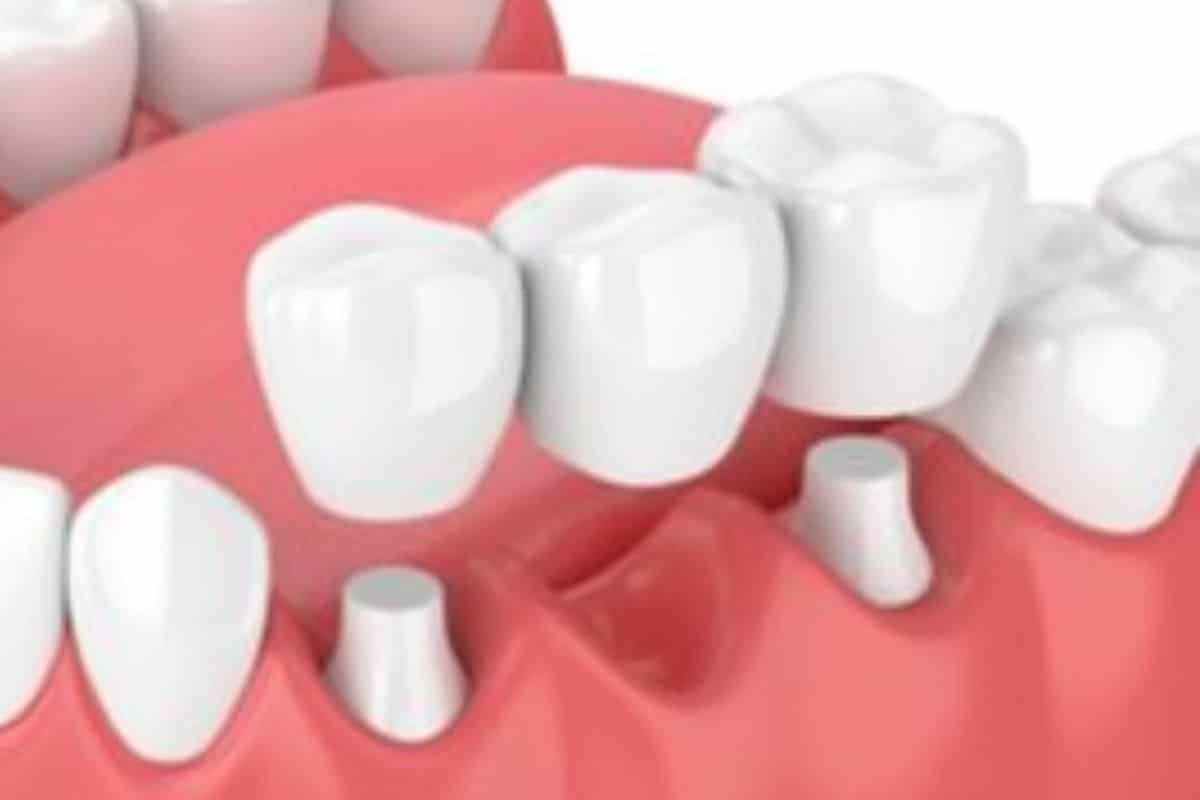
A dental bridge is one of the most common solutions for replacing missing teeth. According to the National Institute of Dental and Craniofacial Research (NIDCR), tooth loss affects millions of adults in the U.S., and restorative options like bridges help improve chewing, speaking, and appearance. However, like any dental restoration, a bridge is not indestructible—it can fail if not properly cared for.
If you’ve been wondering, “What causes dental bridge failure?”, this blog will walk you through the main reasons, signs to watch for, and how you can protect your bridge for years to come.
Common Causes of Dental Bridge Failure
Poor Oral Hygiene
A bridge itself cannot decay, but the natural teeth (abutment teeth) supporting it can. If plaque builds up around the bridge, it can lead to cavities or gum disease. Once the supporting teeth weaken, the entire bridge can fail.
Tip: Brush twice a day, floss daily (using special floss threaders for bridges), and schedule regular dental cleanings.
Gum Disease
Periodontal (gum) disease is one of the leading causes of dental bridge failure. Infected or receding gums weaken the foundation around the abutment teeth, causing the bridge to loosen.
Tip: Early gum disease can be reversed with good hygiene and professional care, but advanced stages may require more treatment.
Decay of Supporting Teeth
Even if the bridge looks fine, decay underneath or around the crowns on the abutment teeth can cause instability. Once the abutment teeth are compromised, the bridge may no longer fit securely.
Bite Problems or Teeth Grinding
If your bite is misaligned or if you grind your teeth (bruxism), excessive pressure can cause a bridge to crack or shift out of place. Over time, this can lead to discomfort and eventual failure.
Tip: Ask your dentist if you need a nightguard to protect your teeth and bridge from grinding.
Poor Fit or Old Age
A dental bridge that wasn’t fitted properly may fail sooner than expected. Even well-made bridges have a lifespan—typically lasting 5 to 15 years with proper care. As your mouth changes naturally with age, the fit of the bridge can be affected.
Wondering how eating habits affect your restoration? Check out our blog on whether you can eat normally with a crown or bridge.
Signs Your Dental Bridge May Be Failing
Watch for these early warning signs:
- Pain or sensitivity near the bridge
- Difficulty chewing or speaking
- Movement or looseness in the bridge
- Gum swelling or bleeding near the bridge
- Visible cracks, chips, or wear
If you notice these issues, schedule an appointment with your dentist right away to prevent further damage.
Professional Care for Lasting Results
While good habits play a big role in keeping your dental bridge strong, professional care is essential for long-term success. If you need a fixed dental bridge in Flint, MI, the experienced team at Town Center Family Dental provides advanced restorative solutions using high-quality materials and modern technology. Our personalized care ensures your bridge looks natural, functions properly, and lasts as long as possible.
How long should a dental bridge last?
Most dental bridges last 5–15 years, but with excellent care, some can last even longer.
Can a failed bridge be repaired, or does it need replacement?
It depends on the condition. Sometimes minor repairs can help, but often replacement is recommended if the abutment teeth or structure are compromised.
What happens if a dental bridge falls out?
If your bridge falls out, keep it safe and contact your dentist immediately. Do not try to re-cement it yourself.
Can gum disease cause a dental bridge to fail?
Yes. Gum disease weakens the support around abutment teeth, leading to bridge failure if untreated.
Dental bridges are an excellent solution for replacing missing teeth, but they require proper care and professional monitoring to last. By understanding what causes dental bridge failure—and how to prevent it—you can protect your smile for years to come.
The team at Towncenter Dental is always Friendly, Fast & Efficient. When an emergency strikes they always can get me in immediately. The Team explains everything they are doing so the experience is not stressful. Never thought I would say that about having Dental work done. Been going to them for over 15 years, just had an adjustment done to a Bridge that was put in, in 2013. WOW almost Ten years without an issue speaks to the quality of the work Dr Thomas performs. Cavities, Crowns, a Broken tooth pulled had it all done there, never an issue! – Mark Moylan
Check out our happy patients’ Google reviews ✩✩✩✩✩ and see why so many families trust us for their dental care.