
By Town Center Dental . 14 August, 2026 .
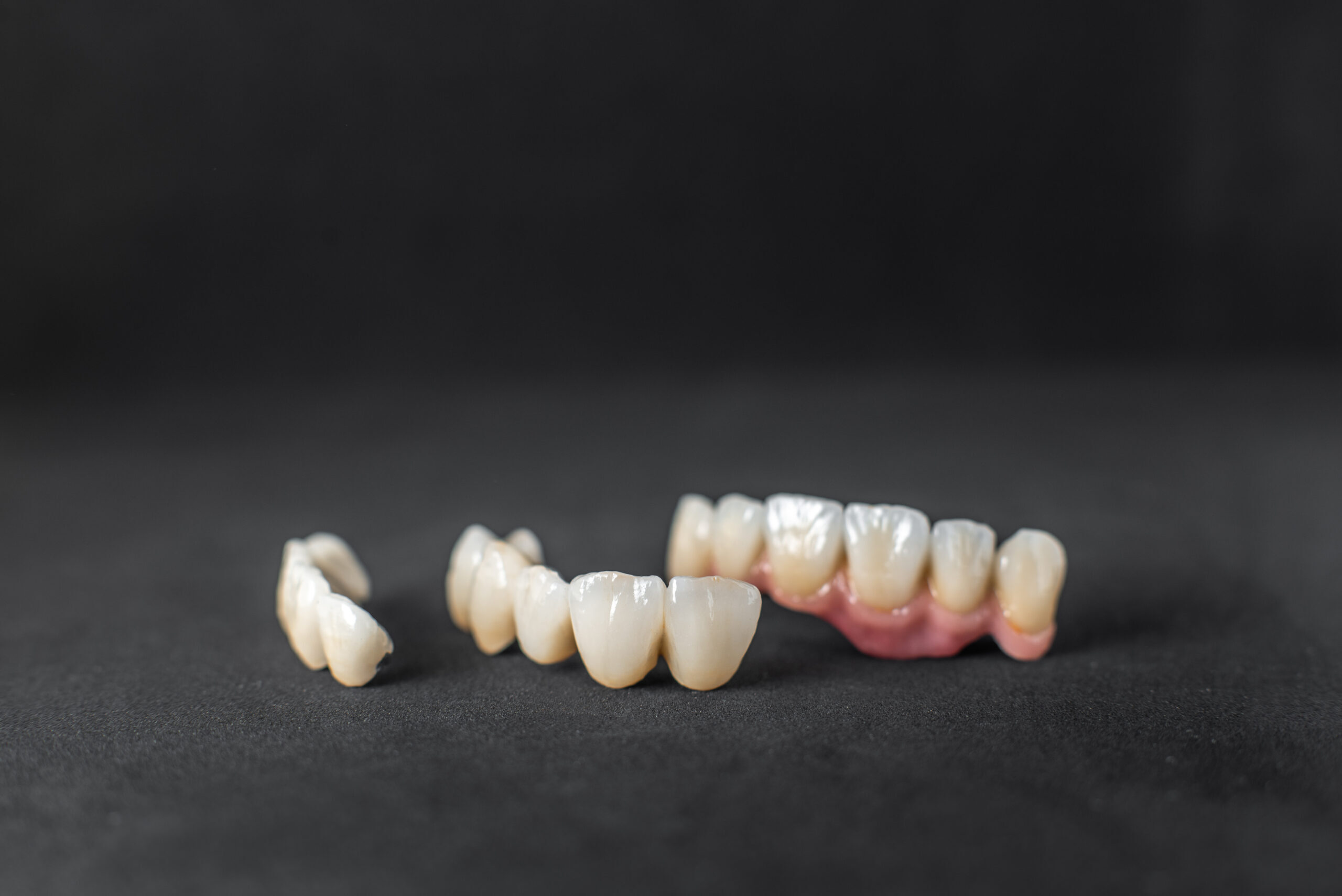
A damaged tooth may not seem like an urgent problem, especially if it isn’t causing severe pain. Many patients put off treatment because they’re busy, concerned about cost, or simply hoping the issue will resolve on its own. Unfortunately, a weakened tooth rarely gets better without professional care. In many cases, your dentist may recommend a dental crown to protect and restore the tooth before the damage becomes more serious.
Ignoring a tooth that needs a dental crown can lead to additional complications, discomfort, and more extensive treatment in the future. Understanding the risks can help you make informed decisions about your oral health.
Why Would a Dentist Recommend a Dental Crown?
A dental crown is a custom-made restoration designed to cover and protect a damaged, weakened, or heavily restored tooth. Crowns are commonly recommended when a tooth has:
- A large cavity
- A significant crack or fracture
- Severe wear from grinding
- A large filling that weakens the tooth structure
- Undergone root canal treatment
- Cosmetic concerns affecting appearance
The purpose of a dental crown is to strengthen the tooth and help prevent further damage while restoring its function and appearance.
What Can Happen If You Delay Treatment?
When a tooth is already compromised, postponing treatment often allows the problem to progress. Below are some of the most common consequences.
1. The Tooth May Crack Further
A small crack can quickly become a major fracture. Every time you chew, bite, or grind your teeth, additional pressure is placed on the weakened tooth.
Without the protection of a dental crown, a crack may extend deeper into the tooth structure. Once the damage reaches certain areas, saving the tooth can become much more difficult.
2. Increased Tooth Pain and Sensitivity
Many patients first notice discomfort when drinking hot coffee, eating ice cream, or chewing certain foods.
As damage progresses, sensitivity often becomes more noticeable. In some cases, the nerve inside the tooth can become irritated or infected, resulting in persistent pain that affects daily activities.
3. Greater Risk of Infection
A damaged tooth creates opportunities for bacteria to enter deeper layers of the tooth.
If bacteria reach the pulp, an infection may develop. Symptoms can include:
- Severe toothache
- Swelling
- Gum tenderness
- Sensitivity to pressure
- Bad taste in the mouth
At this stage, additional procedures such as root canal therapy may be necessary before a dental crown can be placed.
Common Risks of Delaying a Crown
| Problem | Potential Consequence |
|---|---|
| Small crack | Larger fracture |
| Worn tooth | Structural weakening |
| Deep cavity | Infection |
| Large filling | Tooth breakage |
| Untreated damage | Root canal or extraction |
| Continued stress | Increased pain and sensitivity |
4. You May Need More Extensive Treatment
One of the biggest risks of delaying treatment is that the original problem often becomes more expensive and complex.
For example:
| Early Treatment | Delayed Treatment |
| Dental crown placement | Root canal and crown |
| Minor restoration | Tooth extraction |
| Single appointment solution | Multiple procedures |
| Preservation of natural tooth | Replacement options needed |
A timely dental crown often helps preserve your natural tooth and avoid more invasive procedures.
5. You Could Lose the Tooth Entirely
In severe cases, a damaged tooth may fracture beyond repair.
When this occurs, extraction may be the only remaining option. Missing teeth can affect:
- Chewing ability
- Speech
- Appearance
- Bite alignment
- Overall oral health
Protecting a weakened tooth with a dental crown may help reduce the risk of tooth loss and maintain your natural smile.
How Long Can You Wait?
There is no universal timeline because every case is different. Some damaged teeth may remain stable for months, while others can worsen unexpectedly.
The challenge is that it’s impossible to predict exactly when a weakened tooth will fail. Many patients experience sudden fractures while eating everyday foods such as bread, nuts, or meat.
This is why dentists often recommend addressing the problem before symptoms become severe.
Signs You Should Schedule an Evaluation
Contact your dentist if you experience:
- Pain when biting down
- A visible crack or chip
- Increased sensitivity
- A large filling that feels unstable
- Discomfort while chewing
- A tooth that feels weak or fragile
Early evaluation allows your dentist to determine whether a dental crown is the best solution before additional complications develop.
Protecting Your Long-Term Oral Health
Preventive care is often less costly and less stressful than treating advanced dental problems. When a dentist recommends a dental crown, the goal is typically to strengthen the tooth, preserve its structure, and help you avoid future complications.
At Town Center Family Dental, Dr. Timothy Vanitvelt and the team focus on helping patients maintain healthy, functional smiles through personalized treatment plans and preventive care. Addressing dental concerns early can help preserve your natural teeth and support long-term oral health.
About Dr. Timothy Vanitvelt
Dr. Timothy Vanitvelt is committed to providing comprehensive dental care with a patient-first approach. He works closely with patients to explain treatment options and develop personalized solutions designed to protect and restore their smiles. Call us at +1 810-285-7236 to schedule an appointment.
Trusted Dental Resources
For additional information about oral health and restorative dentistry, visit:
- American Dental Association (ADA)
- National Institute of Dental and Craniofacial Research (NIDCR)
- Centers for Disease Control and Prevention (CDC) Oral Health Division
Frequently Asked Questions
1. How do I know if I need a dental crown?
You may need a dental crown if you have a cracked tooth, a large cavity, a weakened tooth after root canal treatment, or a large filling that no longer provides adequate support.
2. Can a cracked tooth heal on its own?
No. Teeth do not heal like bones. A crack can worsen over time, which is why professional evaluation is important.
3. Is getting a dental crown painful?
Most patients report minimal discomfort during treatment. Modern dental techniques and local anesthesia help ensure a comfortable experience.
4. What happens if I delay getting a dental crown?
Delaying treatment may increase the risk of fractures, infection, root canal treatment, or even tooth loss.
5. How long does a dental crown last?
With proper care and regular dental visits, a dental crown can last many years. Longevity depends on oral hygiene habits, bite forces, and overall dental health.
Final Thoughts
A damaged tooth rarely improves without treatment. What may seem like a minor issue today can become a major dental problem tomorrow. If your dentist recommends a dental crown, taking action sooner rather than later may help protect your tooth, reduce future complications, and preserve your smile for years to come.