
By Town Center Dental . 29 May, 2026 .
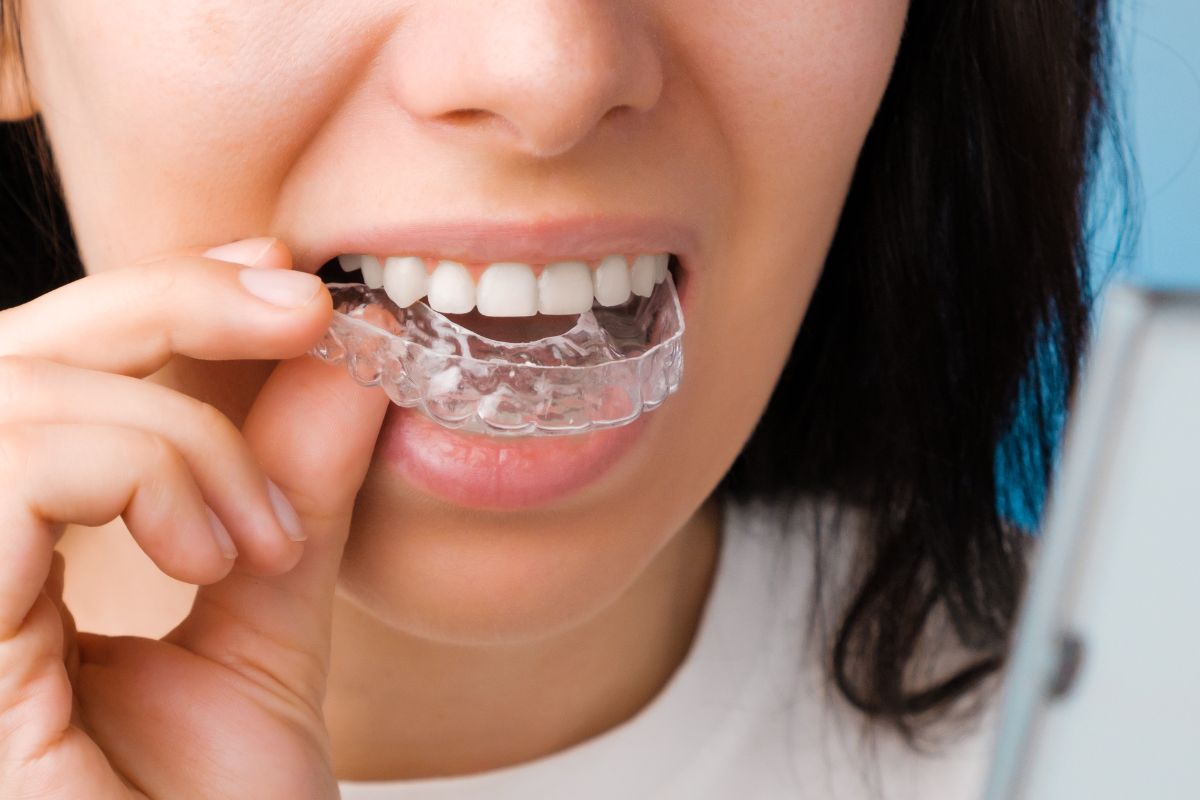
In Linden, where everyday interactions often start with a smile, many people choose orthodontic treatment to improve both appearance and dental health. But alongside the excitement of straighter teeth, a common concern arises. Does your orthodontic treatment leave white marks when they come off? These spots can catch patients off guard, especially after months of commitment to treatment.
In this blog, we will explain what those white marks really are, why they happen, and how you can protect your teeth throughout your orthodontic journey. By understanding how your daily habits impact your teeth while wearing Invisalign, you can take simple steps to protect your enamel and keep your teeth healthy from start to finish.
What Are the White Marks on Teeth After Orthodontic Treatment?
The white marks that sometimes appear after orthodontic treatment are called white spot lesions. These spots are not stains in the traditional sense. They are early signs of enamel demineralization, which means that the outer layer of your teeth has lost some of its minerals.
When plaque builds up around your teeth due to poor oral hygiene, it creates an environment where acids can weaken the enamel. This process changes the way light reflects off the tooth surface, making certain areas appear chalky or white.
While these marks can be noticeable, they are often preventable and, in many cases, treatable.
Why Do White Spots Develop During Orthodontic Treatment?
Several factors can increase the risk of white spot lesions while wearing Invisalign:
- Inconsistent brushing and flossing
- Wearing aligners without cleaning teeth first
- Plaque buildup trapped under aligners
- Frequent snacking on sugary foods
- Acidic drinks such as soda, citrus beverages, or sports drinks
- Dry mouth or reduced saliva flow
- Skipping routine dental checkups
When plaque remains on teeth for extended periods, bacteria produce acids that slowly pull minerals from the enamel. Over time, this demineralization creates visible white patches.
Are White Marks Permanent?
This is where many patients feel uncertain. The truth is that white spot lesions are not always permanent, but they do not disappear overnight either. In mild cases, these spots can fade over time as your enamel naturally remineralizes. Good oral hygiene, fluoride treatments, and a balanced diet can support this process.
In more noticeable cases, professional treatments may be needed. Dentists may recommend options such as enamel microabrasion, fluoride varnishes, or resin infiltration to improve the appearance of the teeth. The key takeaway is that early intervention makes a big difference. The sooner the issue is addressed, the better the outcome.
How to Prevent White Spots While Wearing Invisalign
Prevention is always easier than correction. If you are undergoing orthodontic treatment, a consistent oral care routine can protect your enamel and keep your smile looking its best.
Brush After Every Meal
Before placing your aligners back in your mouth, brush your teeth thoroughly. This removes food debris and reduces the chance of bacteria getting trapped beneath the trays.
Use:
- At least two minutes of brushing time
- A soft-bristle toothbrush
- Fluoride toothpaste
- Gentle circular brushing motions
Floss Every Day
Food particles often stay between teeth, where brushing cannot reach.
Daily flossing helps reduce plaque and keeps enamel healthier throughout treatment. Water flossers may also help patients who struggle with traditional flossing.
Limit Sugary and Acidic Foods
Frequent exposure to sugar and acid increases enamel erosion.
Try to reduce:
- Candy
- Soda
- Sports drinks
- Sticky snacks
- Sweetened coffee drinks
If you consume acidic foods or beverages, rinse with water before putting your aligners back in.
Stay Hydrated
Saliva helps neutralize acids and naturally protects enamel. Drinking enough water can help reduce dry mouth and support healthier teeth.
Visit Your Dentist Regularly
Routine cleanings and exams help remove plaque buildup and identify early enamel changes before they become more noticeable.
How to Properly Clean Invisalign Aligners
Keeping your aligners clean is just as important as cleaning your teeth. Dirty aligners can trap bacteria, contribute to plaque buildup, and increase the risk of enamel problems.
Here are simple ways to clean Invisalign aligners properly:
Rinse Them Every Time You Remove Them
Whenever you take out your aligners, rinse them with lukewarm water. This helps wash away saliva and debris before the buildup hardens. Avoid hot water, as it may warp the plastic.
Brush Aligners Gently
Use a soft toothbrush to gently clean the trays. Do not scrub aggressively, as rough brushing may create scratches where bacteria can collect.
Use Mild, Clear Soap
A gentle, unscented, clear soap can help remove buildup. Avoid harsh cleaners, toothpaste with abrasive particles, or colored soaps, as they may damage or stain the trays.
Soak Aligners Daily
Soaking aligners in Invisalign cleaning crystals or a dentist-approved aligner cleaning solution can help keep them fresh and reduce bacteria.
Never Eat While Wearing Aligners
Food particles can get trapped beneath the trays, increasing bacterial growth and raising the risk of enamel issues. Always remove aligners before meals and snacks.
Store Them Properly
When not wearing them, keep aligners in their protective case to reduce contamination and damage.
The Importance of Fluoride in Enamel Protection
Fluoride plays a crucial role in keeping your teeth strong during orthodontic treatment. It helps restore lost minerals and strengthens weakened enamel, making it more resistant to acid attacks.
Your dentist may recommend fluoride mouth rinses or gels as part of your routine. These products can reach areas that are difficult to clean with a toothbrush alone.
In some cases, professional fluoride treatments may also be suggested to provide extra protection.
Orthodontic Treatment and Long-Term Oral Health
It is important to remember that orthodontic concerns offer significant long-term benefits beyond aesthetics. They improve alignment, enhance bite function, and contribute to overall oral health.
White spot lesions are not caused by braces or Invisalign themselves. They usually develop because plaque remains on teeth for too long during treatment. With regular dental visits and consistent aligner care, most patients complete orthodontic treatment without noticeable enamel issues.
Staying informed and committed to your oral hygiene routine can make all the difference.
Protect Your Dental Health During Orthodontic Treatment
Your journey to a healthier, more confident smile starts with the right care. At Town Center Family Dental, we’re here to guide you every step of the way with personalized support and expert solutions.
Visit our Linden office to learn how to maintain excellent oral health during your orthodontic treatment and keep your teeth looking their best.
FAQs About Preventing White Spots on Teeth During Orthodontic Treatment
1. Can Invisalign directly cause white spots on teeth?
Invisalign itself does not directly cause white spots. White spot lesions usually develop when plaque, bacteria, and food particles remain on teeth under aligners for extended periods. Proper brushing and aligner hygiene greatly reduce this risk.
2. How long does it take for white spot lesions to fade?
Mild white spot lesions may improve gradually over weeks or months as enamel remineralizes. More noticeable spots may require professional treatment, such as fluoride therapy or resin infiltration, for better cosmetic improvement.
3. Is fluoride safe to use during orthodontic treatment?
Yes, fluoride is commonly recommended during orthodontic treatment because it helps strengthen enamel and protect against acid-related damage. Your dentist can recommend the best fluoride products based on your oral health needs.
4. Should I brush after every meal while wearing Invisalign?
Yes, brushing after meals is ideal before placing aligners back in your mouth. This helps remove food particles and reduces the risk of trapping bacteria and plaque under the trays.
5. Can white spots turn into cavities?
Yes, if enamel demineralization continues untreated, white spot lesions can progress into cavities. Early detection and strong oral hygiene habits can help stop further damage.