By Town Center Dental . 7 August, 2026 .
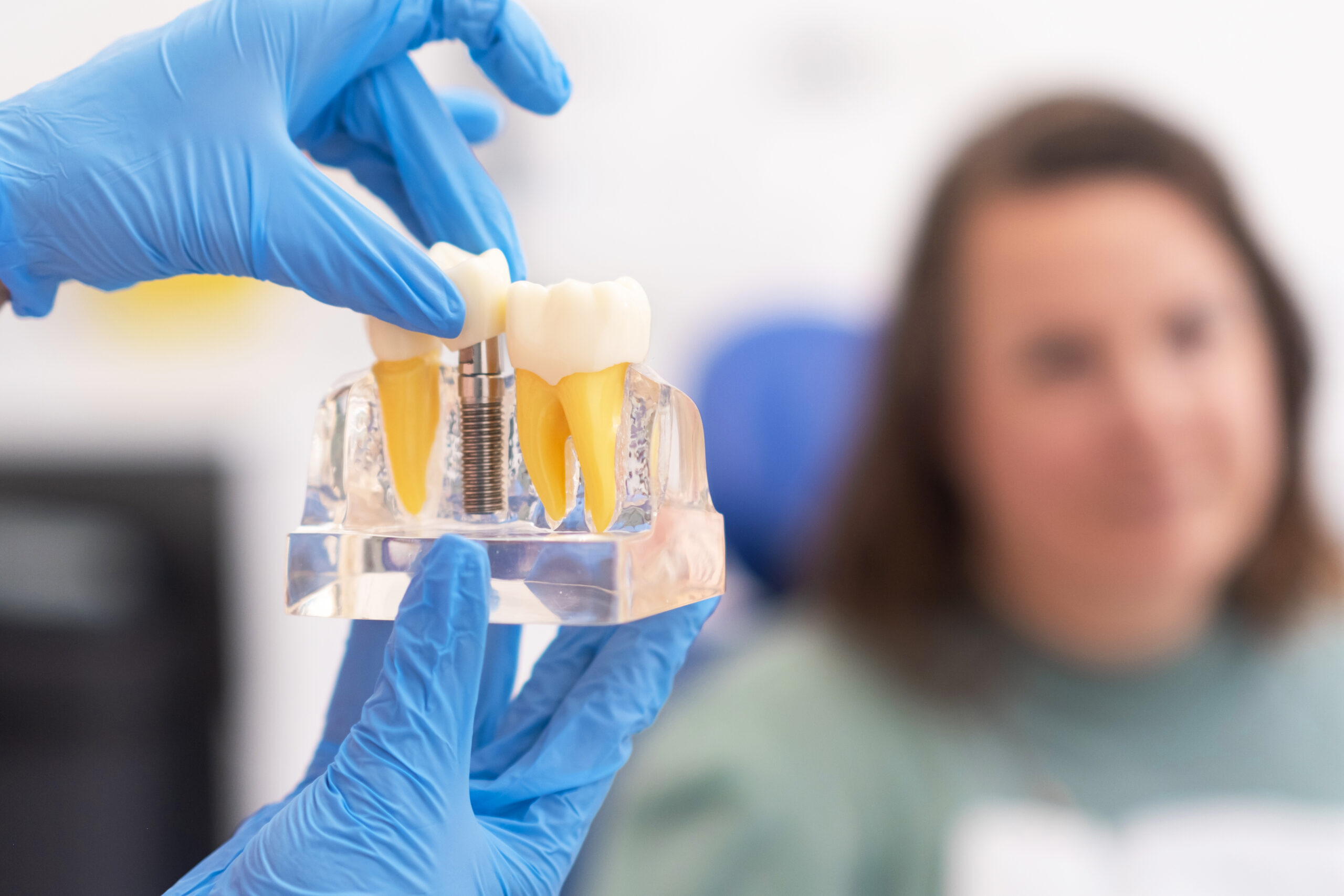
If you’re considering replacing a missing tooth, you may have one question that keeps coming back: Can dental implants fail?
It’s a reasonable concern. Dental implants are designed to be a durable solution for tooth loss, but like any dental treatment, they aren’t guaranteed to work perfectly in every situation. Understanding what can cause problems—and what you can do to reduce your risk—can help you make a more informed decision about your smile.
At Town Center Family Dental, we believe patients should understand their treatment options before moving forward. Here’s what you should know about implant complications, warning signs, and long-term care.
Can Dental Implants Fail?
Yes, dental implant failure is possible, although modern implant treatment has a strong track record when patients are carefully evaluated and the implant is properly planned and maintained.
An implant needs to form a stable connection with the surrounding jawbone. This process, called osseointegration, is essential for long-term stability. According to the National Institute of Dental and Craniofacial Research (NIDCR), inflammation around implants can contribute to bone loss and implant failure, while excessive physical stress can also interfere with successful integration.
The important takeaway? An implant isn’t simply placed and forgotten. Your oral health, healing, habits, and ongoing maintenance all matter.
What Causes Dental Implant Failure?
There isn’t one single reason an implant may fail. Several factors can affect the outcome.
| Potential Cause | Why It Matters |
|---|---|
| Gum infection | Inflammation around an implant can damage supporting tissues and bone |
| Insufficient bone | The implant needs adequate bone support to remain stable |
| Smoking | Tobacco use can interfere with healing and increase oral health risks |
| Poor oral hygiene | Plaque and bacteria can contribute to inflammation |
| Excessive pressure | Grinding or heavy biting forces may place stress on the implant |
| Healing problems | Some health factors can affect how the bone heals |
| Implant complications | Mechanical or restorative problems can occasionally occur |
A thorough examination before treatment helps your dentist identify factors that could affect your individual outcome.
5 Warning Signs You Shouldn’t Ignore
One of the biggest mistakes patients can make is assuming that discomfort around an implant is something they simply have to live with.
If you’ve already received an implant, contact your dental office if you notice:
1. Persistent pain or discomfort
Some soreness is expected during healing, but ongoing or worsening discomfort deserves professional attention.
2. Swelling or redness
Changes in the gum tissue surrounding an implant may indicate inflammation or infection.
3. Bleeding around the implant
Bleeding during routine brushing or flossing shouldn’t be ignored.
4. A loose-feeling implant or restoration
An implant that feels unstable needs to be evaluated promptly.
5. Difficulty chewing
A sudden change in how your implant feels when biting may indicate an underlying issue.
These symptoms don’t automatically mean dental implant failure has occurred. They do mean your dentist should determine what’s causing the problem before it becomes more serious.
Can an Implant Fail Years Later?
Yes. Implant problems don’t always happen immediately after placement.
An implant can remain stable for years and later develop complications related to gum health, bone loss, excessive biting forces, wear, or problems with the restoration attached to the implant.
This is one reason routine dental visits remain important after treatment. Your dentist can monitor the implant, surrounding gums, bite, and overall oral health.
Think of an implant as a long-term investment in your smile—not something that eliminates the need for dental care.
Does Smoking Increase the Risk?
Smoking can make successful healing more difficult and can negatively affect the tissues surrounding dental implants.
If you’re a smoker considering implants, be honest with your dentist about your tobacco use. Your dental team can discuss how it may affect your treatment and what steps may help improve your oral health before and after implant placement.
The goal isn’t to judge your habits. It’s to give you information that can help protect your investment.
What About Bone Loss?
Bone support is another important part of implant planning.
When a natural tooth is lost, the jawbone in that area can gradually change because it no longer receives stimulation from the tooth root. If there isn’t enough bone available to support an implant, additional treatment may sometimes be necessary before placement.
Your dentist can evaluate the condition of the area and determine whether you’re a suitable candidate.
So, does inadequate bone automatically mean you can’t receive an implant?
Not necessarily.
Depending on your individual situation, additional procedures may be considered. A proper evaluation is the only way to determine which options make sense for you.
How Can You Reduce Your Risk?
You can’t control every factor, but you can take steps to support a successful outcome.
Maintain excellent oral hygiene
Brush twice daily and clean between your teeth as recommended by your dental team. Don’t treat the implant differently from the rest of your mouth when it comes to daily hygiene.
Keep your dental appointments
Regular examinations allow your dentist to monitor the implant and surrounding tissues.
Don’t ignore unusual symptoms
Pain, swelling, bleeding, or changes in stability deserve attention.
Protect your teeth from excessive forces
If you grind or clench your teeth, ask your dentist whether a protective nightguard may be appropriate.
Follow your post-treatment instructions
Your dentist’s instructions regarding diet, cleaning, medications, and follow-up appointments are there to support proper healing.
These simple habits can help reduce factors associated with dental implant failure and protect your overall oral health.
What Should You Ask Before Getting an Implant?
Before saying yes to treatment, don’t be afraid to ask questions.
Consider asking:
- Am I a good candidate for an implant?
- Do I have enough bone to support it?
- What could increase my risk of complications?
- What will the recovery process involve?
- How should I care for my implant afterward?
- What symptoms should make me call the office?
A good dental consultation should be a conversation—not a sales pitch.
Your Local Option for Dental Implant Care
If you’re missing a tooth in the Flint or surrounding Michigan communities, you don’t have to make a decision based on fear or internet searches alone.
Town Center Family Dental provides restorative dental services, including dental implants and dentures, with a focus on understanding each patient’s needs and developing personalized treatment plans.
Dr. Timothy Vanitvelt and the Town Center Family Dental team can evaluate your oral health and discuss whether an implant or another tooth-replacement option may be appropriate for you.
The right treatment depends on your teeth, gums, bone, overall health, and personal goals.
Frequently Asked Questions
1. Can dental implants fail after successful healing?
Yes. Although an implant can remain stable for many years, complications involving gum health, bone loss, excessive forces, or the restoration can develop later. Regular dental visits can help identify problems early.
2. Is dental implant failure painful?
It can be associated with discomfort, swelling, tenderness, or pain, but symptoms vary. Persistent or worsening discomfort should be evaluated by your dentist rather than ignored.
3. Can a failed dental implant be replaced?
Sometimes. Treatment depends on why the implant failed and the condition of the surrounding bone and tissue. Your dentist will need to evaluate the area before recommending another implant.
4. How long do dental implants last?
Implant longevity varies from person to person. Good oral hygiene, regular dental care, healthy gums, and avoiding excessive forces can all contribute to long-term success.
5. How can I prevent dental implant failure?
Follow your dentist’s care instructions, maintain good oral hygiene, attend regular checkups, avoid smoking when possible, and report unusual pain, bleeding, swelling, or movement promptly.
Don’t Let Fear Make the Decision for You
If you’ve been putting off tooth replacement because you’re worried about dental implant failure, you’re not alone. The best first step isn’t guessing whether implants will work for you—it’s getting a professional evaluation.
Your dentist can assess your oral health, explain potential risks, answer your questions, and help you compare your treatment options.
A missing tooth doesn’t have to determine how you eat, speak, or smile for years to come.
Ready to explore your options? Contact Town Center Family Dental at 810-285-7236 to schedule a consultation and discuss whether dental implants may be right for your smile.
Medical/dental information in this article is for educational purposes and should not replace an individual examination or diagnosis from a qualified dental professional.